+of+DSCN0521.JPG)

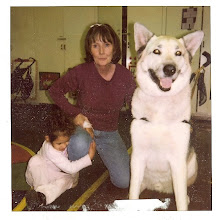
On Fridays, I used to walk my preschoolers to the park three blocks away. Preparing for these trips was quite a chore. We packed a red wagon with Gold Fish, juice boxes, bread for the birds, and water. We had to strap John into a wheelchair. He had very severe autism and started violently tantrumming the moment he saw the wagon. If we did not put him into the chair, he would sit down, screaming and thrashing and refuse to move. He fought the chair through the whole trip, but he loved the swings, goldfish and juice. We also used the wagon to transport Cecily when she got tired of using her walker and Anna when she begged to be carried, but all of the children had to walk at least part way. We stopped to smell red, yellow, and white roses and touch green leaves from the trees. I told the children the roses were red, yellow, and white and that the leaves were green. All of my three year olds were born without sight. They knew they had blindness, but they did not know what that meant since none of them had ever seen more than a little light. Once Ramon, walking happily ahead holding hands with Jacob suddenly stopped and asked, "What's that?" A red motorcycle was passing noisily. I told him it was a red motorcycle. We had toy motorcycles for the children to play with at school. Roman most likely will never see color, but red, yellow, white roses, green leaves, and noisy red motorcycles told the childrn something about the color the rest of the world lives with. We were a real sight crossing the intersections with our long canes, trailing three year olds, and red wagon, but the cars waited patiently, and the children heard the motors and knew they were there. My children lived happily in the world for the most part.
Most of human learning is visual. About 65% if the brain is devoted to processing visual input. What happens when a brain never receives visual input? How did my little ones learn about the world? The brain is breathtakingly flexible. My children did not have better hearing, touch, or taste, but their brains converted their visual processing center to processing the other senses. My children learned by touch to read, smell to know flowers and food they liked or disliked, and music. They could name the characters to "Peter and the Wolf" from the music. Humans also have something called "echolocation." We locate things from the sounds bouncing off surrounding hard surfaces. I have seen preschoolers in little cars and tricycles careen around the playground without crashing. They located each other and obstacles through echolocation. People who survive strokes often learn with therapy and practice to walk, talk, and live vitally. The human brain can learn to block out noise if it is too bothersome. Our brains our out greatest asset, and they were not able to recover from disability, we most likely would not be here at all.


Subscribe to:
Post Comments (Atom)
No comments:
Post a Comment