+of+DSCN0521.JPG)

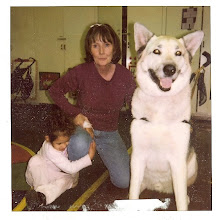
Mollie stood outside St Gregory's school looking as forlorn as she could manage in the bright afternoon sun. The sidewalk was full of happily free students running around in their blue jumpers and brown corduroy pants. Sister Evelyn stood talking to Terry Wright's mother. The nun and Terry's mother had been friends since childhood, and they stood there almost every day visiting. It was strange to watch them. Terry's mother said, "Fuck" or "Damn" or "Jesus" after almost every word, and sister Evelyn just stood there in the sunshine across the street from the little church, listening. Boys and girls both wore the same kind of white shirt with square collars and blue and white saddle shoes.. Jimmy was sitting in his huge, ancient car on the street, waiting for Grace to come out with Kathleen so he could drive them the three quarters of a mile home. Mollie hoped Grace or Jimmy would offer her a ride if she stood there looking sad enough. Grace and Kathleen emerged from the door with the statue of the Virgin Mary over it and into the street. As she and her daughter climbed into Jimmy's back seat, Grace said, "Hop in, Girlie," and Maggie gratefully hopped into the front seat. "Home, James," Grace said. Jimmie's right arm was gone from the elbow down, and he wore what Maggie thought looked like a sock over the stump sticking out of his short sleeved shirt. The Dodgers were on the radio, playing the World Series. Jimmie talked about how he lost his arm in the war while he listened to the game. When the Dodgers made a home run, there'd be lots of yelling on the radio, and Jimmie would poke her in the ribs with his stump in excitement. At first, Maggie had been horrifiied at being poked with a stump covered in a sock, but after a few rides, she got used to it. Jimmie was retired and volunteered at the church during the day. In the afternoon, he drove Grace and Kathleen home, and if Maggie was lucky, she got a ride the mile to her house, too. Mollie was in second grade, and Kathleen a grade behind her with Jo. Mollie and Jo walked to school together every morning past Kathleen's house. It was set back from Figueroa by a huge lawn with a weeping willow and a pepper tree shading Kathleen's little table with matching chairs. Grace and Kathleen met them every morning, and they all walked to school together. Kathleen did not have a father. Grace said he had been killed in the war. Grace lived with Kathleen in the house under the the pepper tree with her grandparents and her mother. All four of them were very quiet, unlike Maggie's family. Grace made all of Kathleen's dresses for Mass from pretty material with little flowers and two satin ribbons around the waist. Grace made dresses for herself exactly the same, but bigger.
Once, Grace invited Jo and Maggie to have lunch with Kathleen on Saturday, and for a miracle, Mother let them go. Usually, Mother called the mother of any child who invited Maggie for lunch and very politely refused the invitation. Maggie was always furious and depressed listening to her Mother say how she knew so and so's Mother was too busy to have Maggie for lunch. This time, though, maybe she didn't have the phone number or something, but she dressed Mollie and Jo in their best dresses, and the girls walked the same route to Kathleen's house they walked every morning. This time, though, they walked up the walk that went down the center of the lawn, which was in the front instead of the back like everybody else, to the front door and politely knocked. Kathleen's grandmother answered the door with Kathleen in her pretty dress with pink ribbons around the waist. She led the three girls to Kathleen's little table in the shade. Today, it had a little flowered tablecloth, small plates and cloth napkins. They sat in chairs that matched the table, and Grace served them tuna sandwiches on a pretty plate, cut in half with no crusts. She poured lemonade into small glasses with ice. Mollie was very impressed with the elegance of the lives of Kathleen, her mother, and her grandparents. They clearly lived a much nicer life than Mollie and her six brothers and sisters. There were always neighborhood children for lunch on Saturday after the library or the pool, depending on the time of year. They sat with the Sullivan children in the kitchen nook, lined up on benches with Maggie at the end so she could get up when more milk was necessary or it was time for Popsicles. They ate whatever horror Mother had stirred up with tomato sauce out of leftovers. The neighborhood kids seemed to like these lunches; Maggie hated them, but in Maggie's house, you came to meals and ate what you got if you valued you life. There were certainly no miniature, crustless sandwiches or lemonade in glasses that matched the dishes.
Monday, September 8, 2008


Mollie loved the Gregorian Chant Requiem Mass. She had been learning to sing it since first grade, and when she was in sixth grade, she was allowed to join the choir and sing Mass when someone died in the parish. She stood in the choir box over the people next to the Mrs. Grady, the organist, dirctly in front of Sister Julie St Francis, at least once a month. She looked down at the flowers, the casket, the people in black and sang for God's mercy. She did not have to read the Latin or hear the nun give the tone on her lilttle wheel. She knew the responses by heart, Et cum spiritu tuo. And with your spirit. When she got back to her room in the school, she ate cereal from a box at her desk with the rest of the choir while the boys got to read their books or color. She would look for music like that for the rest of her life, but all the Gregorian chant on records was by monks from this or that monastery in Europe and was not the same. She never knew the people in the caskets or their black clothes trailing after the casket with the priest spreading incense as they left the church. She felt nothing but the glory of the music. The shout of the Kyrie. Have mercy.
Once, when she was in third grade, she had had to leave school for some reason, and Jimmy had taken her home in his ancient Chevy, but he had stopped at his house first for some small errand. Maggie had gone into his house with him, chattering. She sat in the little living room while he went into the back, and she met Vera. Jimmy was old. He had fought in WW l and l lost the lower part of his right arm. Vera was , of course, old too, a thin, fluttery old lady, and she clearly loved Jimmy. She flitted around him, telling him to take a sweater, it was cold. She had eyes only for Jimmy and hardly noticed Mollie.
Then, in eighth grade, Mollie sang Vera's Requiem Mass. It was the first time Mollie had known the person in the casket, and she watched the pall bearers carry the casket with Vera down the center aisle. She watched the priest follow with the censer. She watched Jimmy, quiet for the first time since she had known him. She wondered how Jimmy would do without his Vera skittering around, cooking for him, making sure he had his sweater when he went out in the rain to help in the parish, to drive forlorn little girls home, listning to the Dodgers. Mollie did not see Jimmy again for some months, and she didn't think about him or Vera. Then she sang his Requiem. She stood in the box, next to Mrs. Grady, in front of Sister Julie St Francis and sang the clean, plainsong for Jimmy and thought about love. Jimmy could not live without his Vera. That was what happened when you married for the usual reasons, went to war, lost your arm, came home and worked. You bought a house and lived in it for maybe sixty years. Mollie had never heard whether Jimmy had children, but he had worked until he retired. Mollie did not know at what. He had lived with Vera so long that he could not live without her. He had true love.
Once, when she was in third grade, she had had to leave school for some reason, and Jimmy had taken her home in his ancient Chevy, but he had stopped at his house first for some small errand. Maggie had gone into his house with him, chattering. She sat in the little living room while he went into the back, and she met Vera. Jimmy was old. He had fought in WW l and l lost the lower part of his right arm. Vera was , of course, old too, a thin, fluttery old lady, and she clearly loved Jimmy. She flitted around him, telling him to take a sweater, it was cold. She had eyes only for Jimmy and hardly noticed Mollie.
Then, in eighth grade, Mollie sang Vera's Requiem Mass. It was the first time Mollie had known the person in the casket, and she watched the pall bearers carry the casket with Vera down the center aisle. She watched the priest follow with the censer. She watched Jimmy, quiet for the first time since she had known him. She wondered how Jimmy would do without his Vera skittering around, cooking for him, making sure he had his sweater when he went out in the rain to help in the parish, to drive forlorn little girls home, listning to the Dodgers. Mollie did not see Jimmy again for some months, and she didn't think about him or Vera. Then she sang his Requiem. She stood in the box, next to Mrs. Grady, in front of Sister Julie St Francis and sang the clean, plainsong for Jimmy and thought about love. Jimmy could not live without his Vera. That was what happened when you married for the usual reasons, went to war, lost your arm, came home and worked. You bought a house and lived in it for maybe sixty years. Mollie had never heard whether Jimmy had children, but he had worked until he retired. Mollie did not know at what. He had lived with Vera so long that he could not live without her. He had true love.
Sunday, August 31, 2008
Skating
Mollie eased herself out of the hole in the middle of the bed, around her small sisters and dressed herself without thinking about it. She was twelve years old and quietly happy. Mother had not yet lighted the heaters, and it was cold. She made her way around the litter of presents that covered the tiny living room floor. Striped candies and nuts were scattered among the bright packages, and a red bicycle leaned on its stand close to the tree in the corner. Mollie could tell it was for one of the boys. It had the bar across the middle that was such a drawback at Devil's Dips. Last summer, Bobbi had hit a dip too hard, landed on that bar and hurt her privates. When the other kids finally helped her limp home, and she privately showed Mollie, her genitals were swollen to twice their size and hurt horrendously. Mollie had done the unthinkable. She called Mother at work. Mother said drily that they were not supposed to go to Devils Dips and call Dr. Ziff. Mollie called shaking with fear, but he had just said to put ice on. Mollie thought Bobbi looked really hurt, and was a little annoyed that no one seem to think this was important, but she put on the ice, and Bobbi seemed all right later. This Christmas morning, Bobbi and all the kids were still asleep, Maggie and Lolie in Mollie's narrow bed. Little bowls of striped candies and chocolates rested on flat surfaces. An electric train ran on its track in a circle around the tree. Also for a boy, but the girls would take turns on their knees, twisting the dial on the transformer. So would Daddy, who loved toy trains, and if Dick came by, he'd be down on his knees, too, running the train. Daddy and Dick both loved machines, and they loved to run the toy trains together. The kids would have to wait until the men went to Mass to get their hands on the transformer of the train and turn the dial. The tree itself was lit, and glass trumpets, drums, little houses and balls with holes holding tiny winter scenes sparkled in the flicker. During Advent, Daddy brought a glass tree oranament almost every night from his evening walk. On Christmas eve they always left the lights on so Santa could find his way around.
Mollie opened the door and stepped out into the chilly dawn. She walked the silent mile past the ice cream shop, the auto repair shops, the storefront churches, the neighborhood stores , and the men on the corner who told her what they would do to her when she was older to Mother of Sorrows church while the sun turned the sky shades of pink. At the anteroom of the church, she climbed the stairs to the choir box and stood in her assigned place next to the organ, directly in front of Sister Julie St. Francis. The girls had come every afternoon of Christmas vacation to practice this Mass. Sister had stood with her back to the tabernacle in the dusky church and made them go over every section over and over again, "No, no. Faster, faster," waving her arms like a conductor. The girls had it down, soprano and alto, a shout of joy. "Adeste fideles! Come you faithful!" Mollie stood next to Angelina's hat made of bunny fur with pom poms and envied her while her soul rejoiced in the music. As he walked off the altar after Mass, Father Mc Govern gave them the "V" sign with his fingers, and the people looked up at them as they left the church. After, Mollie walked home in the fully born morning. She came through the kitchen door, past her mother, who did not look up from her eternal sink of dirty dish water and went to help her sisters get ready for 8:30 Mass. She took their red hair out of the little pink curlers and used her index finger and a brush to them give heads of perfect ringlets. The sitter had spent the afternoon of the day before washing hair and twisting it into the curlers. Mollie helped Maggie and Lolie to wash hands and faces and put on dresses, found socks and helped them tie saddle shoes. The children set off without breakfast since those old enough were all receiving Communion. Mollie attended that same Mass with her brothers and sisters every Sunday but Christmas and Easter. When the kids were gone, Mollie sat on her bed and read, "Jo's Boys." She'd checked the series of Louisa May Acott's books out of the school library every year since she had discovered them in sixth grade.
The house was quiet. Mother was still in the kitchen, still washing dishes with her hands in dirty, cold water. Nine children made a mountain of dishes and if Mother was not cooking, she was washing dishes. She always said she didn't want help. She liked it that no one would bother her while she was washing dishes because they were afraid she'd make them help. Daddy was asleep, curled up in blankets in the bedroom. The train went on running in circles around the tree and the lights sparkled on the tinsel and bounced off the the little trumpets, gingerbread houses and drums in the quiet.
Daddy was still curled in his blankets when the kids got home from Mass. The children went into the living room to look at the presents and wonder about them. They were not allowed to open anything until they had been to Mass, had breakfast, and Daddy was was up. Mollie set the table in the breakfast nook with nine plates, four on each side and one on the end with mismatched,chipped plates and forks on the left, knife and spoon on the right, the way Mother had taught her. She went into the kitchen, took out a frying pan and put it on the stove with its chrome top. She took a pound of bacon out of the refrigerator, peeled the slices off one at a time and lay them in a row in the frying pan. When the first row was crisp, she made another until the bacon was almost done. Then she found another pan and took a bowl of whole boiled potatoes out the refrigerator, peeled them with a knife, the peels so thin you could see through them the way Mother had taught her and sliced them into hot margarine in the pan. She opened the broiler and lay nine slices of thin white bread in rows, closed the door and turned on the broiler. Mollie was careful to watch the toast. When the broiler was cold, toast took a long time. Then it got hot and she got busy with the bacon, and it burned. Mother exploded in fury when that happenend. When the bacon was done, she broke an egg into the bacon fat, another without touching the first. "Breakfast is ready she called and put potatoes, slices of bacon, and an egg on each plate as the eggs cooked. She put the toast on the table for the kids to butter, poured milk for everybody and sat down at the head of the table. The kids ate without the usual amount of pushing and teasing. Jimmy buttered his toast so thick you could hardly see the bread. As the plates got cleaned, Mollie said, "Maggie, give me your plate. Jimmy give me yours. One at a time, she piled the plates, forks, spoons, and knives in front of herself. Then she picked up the pile and carried it to the kitchen and set it on the counter next to the dish water. She finished clearing the table and washed it with the dish cloth the way Mrs. Spruitt had taught her in even, parallel swipes so there wouldn't be any marks in the light. The kids stood around in the living room, looking at the presents, waiting for Daddy who was still curled in the blankets. They were suffering,but they did not dare go into the bedroom. Daddy had a terrible temper and believed firmly in physical punishment, and he did not like his sleep disturbed. Finally, Bobbi couldn't stand it any more. She went into the bedroom, touched Daddy and said, "Daddy, are you up yet?" She lived. Daddy got up cheerfully and came out into the living room. The children were quiet but nearly mad with excitement
Daddy got on his knees under the tree and handed out the presents one at a time. He read the labels, "To Jo from Santa. To Patrick from Santa." He ignored the train and bicycle as if he got up every morning to find a toy train running around his living room. The children tore the colorful paper and ribbons from the packages. All of them had written letters to Santa and given them to Mother for mailing. They had made requests for whatever was on TV that year, Toni Dolls, Tonka Trucks, Ballerina Dolls. Molllie had hoped against hope for a Betty Crocker baking set. Phillip got Tinker Toys, Patrick trucks and cars, John a battery run police car. Georgie an Erector Set.The bike was also for Georgie who did not yet have one. Daddy told them that the train was for all the boys. Mollie got a bride doll, Maggie a china tea set, Lolie got a Baby Tears doll who wet and cried real tears. Jo opened a toy kitchen set, and there was a doll house with furniture for all the girls. Lolie tore paper for fun. She hardly cared about the stuffed bear and letter blocks at first. There was a Little Golden book for each small child, and Mollie got a long playinging record of the James M Cohan songs and a little record player of her own. Mrs Spruitt had carefully wrapped god knows how many pairs of underwear, which made Mollie think how much she hated Mrs. Spruitt. There were roller skates for every child, incuding training skates for Lolie and Maggie. Mother got a purse embroidered with lovely flowers from Japan that Daddy had picked out especially and was very proud of and Evening in Paris perfume from Dick. Daddy got a 25 cent notebook with flowers on the cover that Mollie had picked out and paid for herself. Molllie had saved the money from the five cents a day she got for babysitting. All of the children helped dump out the Tinker Toys and letter blocks and build wonderful houses with windmills and fantasy buildings for the cars to run on. Daddy and Dick got down on the floor with the train. The boys stood patiently around in a circle and watched while the men made sounds of joy. Then Georgie took his bike outside. Dick put aside his macho to run down the street holding the back of the bike while Georgie pedaled. Then it was time for Mother and Daddy to get ready for Mass. Mollie noted how many years she had asked for a bride doll and not gotten it. But she was delighted with the record player and got Daddy's '78s out. Daddy said, "Be careful. Don't scratch them. They break." She knew.
As the sun went down, Mother put ice on the salad mix in the sink, and Daddy sat on the kitchen stool, talking, talking with "Life" or "Look" on his lap. A quart bottle of Budweiser and a pint of Seagrams 7 sat on the bread board. Mother and Daddy took shots of whiskey followed by glasses of beer as the day wound down quietly. All nine kids were outside, skating. They went down to the car repair shop on the corner and skated on the smooth concrete in front where the mechanics put cars up on ramps to work on them. They skated down the bumpy ramps. If you fell at the bottom of one of those ramps, it really hurt your tailbone. All the other kids laughed, and you bore your pain in stoic silence, holding your breath until it subsided. Whitey, the car lot dog, ran among the children, barking and waving his tail. Jo had gotten skates with rubber wheels, and everyone was jealous until the kids revved their skates very fast down the sidewalk in the evening cold. Sparks flew from the wheels of everybody's skates but Jo's. The rubber wheels would not go really fast, and they did not make sparks, and the other kids were glad they had not gotten them.
Mollie opened the door and stepped out into the chilly dawn. She walked the silent mile past the ice cream shop, the auto repair shops, the storefront churches, the neighborhood stores , and the men on the corner who told her what they would do to her when she was older to Mother of Sorrows church while the sun turned the sky shades of pink. At the anteroom of the church, she climbed the stairs to the choir box and stood in her assigned place next to the organ, directly in front of Sister Julie St. Francis. The girls had come every afternoon of Christmas vacation to practice this Mass. Sister had stood with her back to the tabernacle in the dusky church and made them go over every section over and over again, "No, no. Faster, faster," waving her arms like a conductor. The girls had it down, soprano and alto, a shout of joy. "Adeste fideles! Come you faithful!" Mollie stood next to Angelina's hat made of bunny fur with pom poms and envied her while her soul rejoiced in the music. As he walked off the altar after Mass, Father Mc Govern gave them the "V" sign with his fingers, and the people looked up at them as they left the church. After, Mollie walked home in the fully born morning. She came through the kitchen door, past her mother, who did not look up from her eternal sink of dirty dish water and went to help her sisters get ready for 8:30 Mass. She took their red hair out of the little pink curlers and used her index finger and a brush to them give heads of perfect ringlets. The sitter had spent the afternoon of the day before washing hair and twisting it into the curlers. Mollie helped Maggie and Lolie to wash hands and faces and put on dresses, found socks and helped them tie saddle shoes. The children set off without breakfast since those old enough were all receiving Communion. Mollie attended that same Mass with her brothers and sisters every Sunday but Christmas and Easter. When the kids were gone, Mollie sat on her bed and read, "Jo's Boys." She'd checked the series of Louisa May Acott's books out of the school library every year since she had discovered them in sixth grade.
The house was quiet. Mother was still in the kitchen, still washing dishes with her hands in dirty, cold water. Nine children made a mountain of dishes and if Mother was not cooking, she was washing dishes. She always said she didn't want help. She liked it that no one would bother her while she was washing dishes because they were afraid she'd make them help. Daddy was asleep, curled up in blankets in the bedroom. The train went on running in circles around the tree and the lights sparkled on the tinsel and bounced off the the little trumpets, gingerbread houses and drums in the quiet.
Daddy was still curled in his blankets when the kids got home from Mass. The children went into the living room to look at the presents and wonder about them. They were not allowed to open anything until they had been to Mass, had breakfast, and Daddy was was up. Mollie set the table in the breakfast nook with nine plates, four on each side and one on the end with mismatched,chipped plates and forks on the left, knife and spoon on the right, the way Mother had taught her. She went into the kitchen, took out a frying pan and put it on the stove with its chrome top. She took a pound of bacon out of the refrigerator, peeled the slices off one at a time and lay them in a row in the frying pan. When the first row was crisp, she made another until the bacon was almost done. Then she found another pan and took a bowl of whole boiled potatoes out the refrigerator, peeled them with a knife, the peels so thin you could see through them the way Mother had taught her and sliced them into hot margarine in the pan. She opened the broiler and lay nine slices of thin white bread in rows, closed the door and turned on the broiler. Mollie was careful to watch the toast. When the broiler was cold, toast took a long time. Then it got hot and she got busy with the bacon, and it burned. Mother exploded in fury when that happenend. When the bacon was done, she broke an egg into the bacon fat, another without touching the first. "Breakfast is ready she called and put potatoes, slices of bacon, and an egg on each plate as the eggs cooked. She put the toast on the table for the kids to butter, poured milk for everybody and sat down at the head of the table. The kids ate without the usual amount of pushing and teasing. Jimmy buttered his toast so thick you could hardly see the bread. As the plates got cleaned, Mollie said, "Maggie, give me your plate. Jimmy give me yours. One at a time, she piled the plates, forks, spoons, and knives in front of herself. Then she picked up the pile and carried it to the kitchen and set it on the counter next to the dish water. She finished clearing the table and washed it with the dish cloth the way Mrs. Spruitt had taught her in even, parallel swipes so there wouldn't be any marks in the light. The kids stood around in the living room, looking at the presents, waiting for Daddy who was still curled in the blankets. They were suffering,but they did not dare go into the bedroom. Daddy had a terrible temper and believed firmly in physical punishment, and he did not like his sleep disturbed. Finally, Bobbi couldn't stand it any more. She went into the bedroom, touched Daddy and said, "Daddy, are you up yet?" She lived. Daddy got up cheerfully and came out into the living room. The children were quiet but nearly mad with excitement
Daddy got on his knees under the tree and handed out the presents one at a time. He read the labels, "To Jo from Santa. To Patrick from Santa." He ignored the train and bicycle as if he got up every morning to find a toy train running around his living room. The children tore the colorful paper and ribbons from the packages. All of them had written letters to Santa and given them to Mother for mailing. They had made requests for whatever was on TV that year, Toni Dolls, Tonka Trucks, Ballerina Dolls. Molllie had hoped against hope for a Betty Crocker baking set. Phillip got Tinker Toys, Patrick trucks and cars, John a battery run police car. Georgie an Erector Set.The bike was also for Georgie who did not yet have one. Daddy told them that the train was for all the boys. Mollie got a bride doll, Maggie a china tea set, Lolie got a Baby Tears doll who wet and cried real tears. Jo opened a toy kitchen set, and there was a doll house with furniture for all the girls. Lolie tore paper for fun. She hardly cared about the stuffed bear and letter blocks at first. There was a Little Golden book for each small child, and Mollie got a long playinging record of the James M Cohan songs and a little record player of her own. Mrs Spruitt had carefully wrapped god knows how many pairs of underwear, which made Mollie think how much she hated Mrs. Spruitt. There were roller skates for every child, incuding training skates for Lolie and Maggie. Mother got a purse embroidered with lovely flowers from Japan that Daddy had picked out especially and was very proud of and Evening in Paris perfume from Dick. Daddy got a 25 cent notebook with flowers on the cover that Mollie had picked out and paid for herself. Molllie had saved the money from the five cents a day she got for babysitting. All of the children helped dump out the Tinker Toys and letter blocks and build wonderful houses with windmills and fantasy buildings for the cars to run on. Daddy and Dick got down on the floor with the train. The boys stood patiently around in a circle and watched while the men made sounds of joy. Then Georgie took his bike outside. Dick put aside his macho to run down the street holding the back of the bike while Georgie pedaled. Then it was time for Mother and Daddy to get ready for Mass. Mollie noted how many years she had asked for a bride doll and not gotten it. But she was delighted with the record player and got Daddy's '78s out. Daddy said, "Be careful. Don't scratch them. They break." She knew.
As the sun went down, Mother put ice on the salad mix in the sink, and Daddy sat on the kitchen stool, talking, talking with "Life" or "Look" on his lap. A quart bottle of Budweiser and a pint of Seagrams 7 sat on the bread board. Mother and Daddy took shots of whiskey followed by glasses of beer as the day wound down quietly. All nine kids were outside, skating. They went down to the car repair shop on the corner and skated on the smooth concrete in front where the mechanics put cars up on ramps to work on them. They skated down the bumpy ramps. If you fell at the bottom of one of those ramps, it really hurt your tailbone. All the other kids laughed, and you bore your pain in stoic silence, holding your breath until it subsided. Whitey, the car lot dog, ran among the children, barking and waving his tail. Jo had gotten skates with rubber wheels, and everyone was jealous until the kids revved their skates very fast down the sidewalk in the evening cold. Sparks flew from the wheels of everybody's skates but Jo's. The rubber wheels would not go really fast, and they did not make sparks, and the other kids were glad they had not gotten them.
Monday, August 18, 2008
Hi doll
Hi, doll, what are you doing? If it's all right with you, I'm going to the chess club tonight. I know it's my day off. I hope you don't mind. Good. I was up in the canyon yesterday after work. There was no one at the house but Marilyn. She asked me to give her a ride to some club where she likes the drummer. I took her up there, and when the set was over, she went into a back room with the guy. When she came out she was ready to go, so I took her home. She said she wanted to thank me by having sex. Of course, I would have gone for it, but then Tom got home. She said she was in love with Tom and couldn't fuck me with him in the house. She didn't want him to know to she screwed anyone but him. Too bad. Well, I love you. See you later. I put down the receiver in my little bungalow by the harbor in San Pedro, listened to the horns sounding in the dark, the whistles of the train on the track that passed down by the water and thought. Well, at least he's honest. I guess he'll never lie to me. I guess
Sitar
It was Topanga Canyon, 1966 I was sitting on a stool in the black enameled kitchen. The girls were making California enchiladas with hamburger.Frank Zappa's Suzy Creamcheese was blasting over the loudspeakers. One of the men lighted a joint, took a drag, and passed it along. I sat on my stool, and when the joint got to me, I just passed it to Marilyn, who was sitting on a kitchen chair in her negligee, chatting about her day in the city, working. That's not my bag, man. Tom opened a cabinet door, took out a large bottle of maraschino cherries, twisted the cap, and handed it to me with a flourish. Annoyed, I took one. I hate maraschino cherries. At the time, I didn't get the point, what with the black kitchen and Suzy Creamcheese blasting. The chatter was about "art." Tom was incredibly good looking and actually a very talented painter, but he talked shit almost all the time. He had an IQ of 140. He was a genius. Gary was designing suede pantsuits in wonderful colors. I really wanted one, but I had absolutely no money, and Jose never offered. Gary thought they might be taken by the Broadway, or Macy's, or Buffums. except he couldn't leave the canyon. It was not his bag to negotiate with the square world, man. Jack was training animals for the movies somewhere nearby. All the women looked like Michele Phillips, except Esther, who was heavy with long, wavy, dark hair and married to Jack. Time had just published a long piece on the hippie movement. Hippies were the new bohemians with long hair, very romantic clothes, long flowing skirts, embroidered jeans, and homemade jewelry. Haight Ashbury was still just a neighborhood in San Francisco. The action was in Topanga Canyon outside of Los Angeles. California dreamin'.
The house was supposed to be a commune; everybody would work together for the common good. No freeway lanes here, no square pegs, freedom for all. The problem was that all the men were artists, and the women all worked in Santa Monica down twisting Topanga Canyon Blvd. The men sat around during the day doing drugs and drawling slowly about art. The dishes and mess waited where they were until the girls got home from work. When the girls arrived,they were tired from their long days in the sqare world, wanted to put on their negligees, smoke dope, and relax. The house was expensive, andthe girls didn't make much, so there was never any food, and the men got grouchy and blamed each other for the mess and the empty kitchen, like six year olds. It was Jack's turn to clean up. Well I'm not doing the dishes from your turn yesterday, Tom would drawl through a haze of whatever pills he had taken. The lovely canyon trees would lean against the windows of the house, and a red tail hawk circled and circled in the sky unnoticed. Outside the house, it was very green and quiet. The sun shone gold on the streams with ferns leaning into the cool water, and the California sun glinted on the ocean ten miles away. You could see it from the canyon on a clear day. Topanga canyon has more clear days than most places in Los Angeles county.
Jose had brought a hundred pound bag of potatoes and the humburger. Thus we would have the California enchiladas made from a can of tomato sauce, god knows what spices and legal and illegal herbs. Tortillas are cheap. The women moved around the black kitchen in their sleepwear. The men leaned against the walls, smoking dope and drawling about art man.
After dinner we retired to the huge, windowed living room. It was lined with cots like a Roman salon, and and people reclined or sat against the cushioned walls while Gary played the sitar. The only light was from candles here and there and the moon through the windows. We were each solitary, listening to the sitar music and, I guess, meditating. The music was horrendously bad. Pliiiiiiiiiiiiing, Pliiiiiiiiing, Pliiiiiiiiiing. On and on. One wondered how the Indian people got through life with such music. Gary. of course, was so loaded he could not stand up, the lighted tip of a joint was going from hand to hand, the air scented with marijuana, grass and eucalyptus, incense. Sober though I knew him to be, Jose would take an occasional drag. He said it had no effect. I was stone, cold, straight, sober. The music may have sounded good if you were loaded. I didn't get a lot of movies, either. I heard a rustling behind me and looked around. Esther was on top, her naked flesh moving rhymically in the cool light of the moon and candles. I didn't see who the man was. I quickly turned back around. Pliiiiiiiiiiing, plong, pliiiiiiiing. Jose and I would make love in the little room he paid for here when the evening wound down, the people had passed out, and the sitar concert was over. Until last week,I could never hear the word sitar without a shudder. Pliiing, pliiiiiing, plong, pliiiing. Tom wrote poetry, too. They all did, but the girls. He wrote one about me in the nude. He never saw me nude, or even in a negligee, but he got it exactly right. He had a wonderful eye.
Two Thanksgivings ago, we brought Tom from South or North Carolina. He lives in his parents' house near Ashville, where Thomas Wolfe lived. He hates it. He had an accident, and he's nearly blind, but he draws obsessively with pastels, and he's still good. He's addicted to uppers, and his brain is gone, but he can stll do magic with pastels. We gave him a box of pastels and a cheap easel. He nearly wept.
We used to live near the Norton Simon museum in Pasadena, and it always amazes me how far we have to drive now from Hollywood. My daughter was invited by her cousin to see her perform with the cousin's husband in an Indian music concert there last weekend. We didn't know what kind of Indian it was, but we went. The freeway was miraculously fast. The museum was having an exhibit of Indian from India art, so it would be that kind of music. My daughter looked around and said maybe she was underdressed in her shorts and cute top. I am always underdressed, and I'm rarely alone, so I looked around and pointed out a couple of ladies in jeans and shorts. We went into the little auditoriun and looked at the programs, sitar music-the guy had taught at Cal Arts, studied in India under the great master who I thought must be dead by now. Just his name gave me shudders, and of course, I have blocked it out. Well. maybe I would learn something. The program described the two men in worshipful detail and hardly mentioned my daughter's cousin. She came out in a sari and sat cross legged holding the neck of a stringed instrument. The men came out, bowed, touched their forheads, bowed to each other, and sat cross legged. The man talked about how great the Indian man was and made no mention of his wife who sat silently behind, smiling occasionally. The man tuned his sitar for a long time. Then he played a meditative solo. Boring, but not bad. I need more exposure to appreciate it, I guess. The drummer played solo. Okay! Stunning. The earth moved. Then the monsoon rains came, tearing out of the sky, over the fields, poured down the streeets. It beat and beat and beat. The world would end with this rain, nothing like our gentle California storms. This was the voice of god beating against the world, bringing life and death at the same time.
The house was supposed to be a commune; everybody would work together for the common good. No freeway lanes here, no square pegs, freedom for all. The problem was that all the men were artists, and the women all worked in Santa Monica down twisting Topanga Canyon Blvd. The men sat around during the day doing drugs and drawling slowly about art. The dishes and mess waited where they were until the girls got home from work. When the girls arrived,they were tired from their long days in the sqare world, wanted to put on their negligees, smoke dope, and relax. The house was expensive, andthe girls didn't make much, so there was never any food, and the men got grouchy and blamed each other for the mess and the empty kitchen, like six year olds. It was Jack's turn to clean up. Well I'm not doing the dishes from your turn yesterday, Tom would drawl through a haze of whatever pills he had taken. The lovely canyon trees would lean against the windows of the house, and a red tail hawk circled and circled in the sky unnoticed. Outside the house, it was very green and quiet. The sun shone gold on the streams with ferns leaning into the cool water, and the California sun glinted on the ocean ten miles away. You could see it from the canyon on a clear day. Topanga canyon has more clear days than most places in Los Angeles county.
Jose had brought a hundred pound bag of potatoes and the humburger. Thus we would have the California enchiladas made from a can of tomato sauce, god knows what spices and legal and illegal herbs. Tortillas are cheap. The women moved around the black kitchen in their sleepwear. The men leaned against the walls, smoking dope and drawling about art man.
After dinner we retired to the huge, windowed living room. It was lined with cots like a Roman salon, and and people reclined or sat against the cushioned walls while Gary played the sitar. The only light was from candles here and there and the moon through the windows. We were each solitary, listening to the sitar music and, I guess, meditating. The music was horrendously bad. Pliiiiiiiiiiiiing, Pliiiiiiiiing, Pliiiiiiiiiing. On and on. One wondered how the Indian people got through life with such music. Gary. of course, was so loaded he could not stand up, the lighted tip of a joint was going from hand to hand, the air scented with marijuana, grass and eucalyptus, incense. Sober though I knew him to be, Jose would take an occasional drag. He said it had no effect. I was stone, cold, straight, sober. The music may have sounded good if you were loaded. I didn't get a lot of movies, either. I heard a rustling behind me and looked around. Esther was on top, her naked flesh moving rhymically in the cool light of the moon and candles. I didn't see who the man was. I quickly turned back around. Pliiiiiiiiiiing, plong, pliiiiiiiing. Jose and I would make love in the little room he paid for here when the evening wound down, the people had passed out, and the sitar concert was over. Until last week,I could never hear the word sitar without a shudder. Pliiing, pliiiiiing, plong, pliiiing. Tom wrote poetry, too. They all did, but the girls. He wrote one about me in the nude. He never saw me nude, or even in a negligee, but he got it exactly right. He had a wonderful eye.
Two Thanksgivings ago, we brought Tom from South or North Carolina. He lives in his parents' house near Ashville, where Thomas Wolfe lived. He hates it. He had an accident, and he's nearly blind, but he draws obsessively with pastels, and he's still good. He's addicted to uppers, and his brain is gone, but he can stll do magic with pastels. We gave him a box of pastels and a cheap easel. He nearly wept.
We used to live near the Norton Simon museum in Pasadena, and it always amazes me how far we have to drive now from Hollywood. My daughter was invited by her cousin to see her perform with the cousin's husband in an Indian music concert there last weekend. We didn't know what kind of Indian it was, but we went. The freeway was miraculously fast. The museum was having an exhibit of Indian from India art, so it would be that kind of music. My daughter looked around and said maybe she was underdressed in her shorts and cute top. I am always underdressed, and I'm rarely alone, so I looked around and pointed out a couple of ladies in jeans and shorts. We went into the little auditoriun and looked at the programs, sitar music-the guy had taught at Cal Arts, studied in India under the great master who I thought must be dead by now. Just his name gave me shudders, and of course, I have blocked it out. Well. maybe I would learn something. The program described the two men in worshipful detail and hardly mentioned my daughter's cousin. She came out in a sari and sat cross legged holding the neck of a stringed instrument. The men came out, bowed, touched their forheads, bowed to each other, and sat cross legged. The man talked about how great the Indian man was and made no mention of his wife who sat silently behind, smiling occasionally. The man tuned his sitar for a long time. Then he played a meditative solo. Boring, but not bad. I need more exposure to appreciate it, I guess. The drummer played solo. Okay! Stunning. The earth moved. Then the monsoon rains came, tearing out of the sky, over the fields, poured down the streeets. It beat and beat and beat. The world would end with this rain, nothing like our gentle California storms. This was the voice of god beating against the world, bringing life and death at the same time.
Wednesday, May 28, 2008
The Writing Tutor and the Persian
The man, like me, was middle aged. We were both old to be students, but the school accepted us, and we were both grateful. He was studying to be some sort of engineer. He lived in student housing and seemed fine with with having five hundred very young men and women from around the world as roommates. He had been married, had teen aged daughters, and was negotiating some sort of angry divorce. He spent his weekends in one of his professors’ lab. He had been some sort of highly skilled technician, had seriously hurt himself at work, and the company was paying for his retraining. The man was delirious with joy; he couldn’t believe they’d pay to make him an engineer. He had been doing okay in his classes and was happy. He knew how to do whatever it was he did, and he was a passionate student. The problem was that now he had to pass the Writing Competency Test, and he could not. He was taking a series of academic writing classes that would take the place of the test if he passed them all. At the beginning of his last class, he appeared at my table in the Writing Center. Essentially he still had to pass the test at the class final.
I may actually never have known his name. He was Persian; I’m sure I saw it in passing. I’m sure it was strange and unpronounceable. I did not care; getting him through those classes became a hopeless crusade. I did not think he could pass, and I was sorry for him because he was so determined to do this thing I was pretty sure he could not do. Again, I was faced with a foreigner with whatever experience they brought with them, trying to pass that damned test. This man only had one story. No matter what the assignment was, he told the same story in the same horrendous English.
He was a Baathist. He told me about over and over how gentle and peaceful his religion was, how much the Ayatollah’s people hated them. His people were hated by other Persians; he had been forced to leave school in third grade. I used to wonder whether his lack of educations was what made it impossible for him to read the prompt and write about it, no matter how badly. He told his one story over and over again. Was the assignment to read and compare and contrast two essays on the influence of TV advertising on the young minds? He read the prompt, underlined things in the essays, and then told his story.
At first, I calmly explained to him that he needed to read the prompt, make sure he understood it, read the material no matter how long it took, figure out a one sentence response to the prompt, figure out four sentences that led to the thesis sentence, and write the essay. No five paragraph essays allowed. I don’t want to see a five paragraph essay in any form: 8 page five paragraph essay, personal narrative five paragraph essay, no five paragraph essays. What is a five paragraph essay? You don’t know? Good, one problem down. By the way, spend the 50 cents, or go to the library. You’re on campus all the time anyway, and read the editorial pages in the Los Angeles Times. You don’t have to understand them or agree with them. Just read them. You’ll get the rhythm of formal English in your head. Forget the story. I don’t want to see that story again. He laughed. I went over it in detail again and again. I did not think he could do it. I liked the man; his story was first person and fascinating like all the first person stories I heard from all over the world. He said okay. He would see me in two days.
He had two standing one hour appointments with me a week. He made the standing appointment early in the quarter to make sure he got them. He got the hour because he had a disability, I think.
No,no. Read that sentence. What does it say? Do you see your father’s name in there anywhere? Then don’t write that story again. The point of telling a story is to communicate it. I know that story. If you want to pass this class, you have to write about the influence of media images on women’s identities in Western culture! When you come back, that’s what I want to see! I can tell you about grammar problems, but what difference does it make if you don’t follow the prompt! Okay, let’s talk about it. What is the essay about?
Two hours a week after my regular job and before my class or after my class or instead of a class, week after week for two years. I yelled at him; people turned around and looked at us. At one point a woman sitting at one of the computers turned around and told me to be quiet; she was trying to work. I looked up at her, stunned. Where did she think she was? It was too much trouble to deal with her; I lowered my voice. When I got loud again, she went to the counter and complained. The Director told her this was a tutoring center; not a computer lab. I was tutoring. If she wanted quiet, she needed to find a lab.
The man’s story was this. His family was the wrong religion, Baathists. The rest of Iran hated his people. The Ayatollah’s police made their lives very hard, but they did the best they could. They were very poor. One day, his beloved father was working outside their house. The police came and killed him in front of his family, hitting him over the head with a club so hard that one blow killed him. It was very fast. The man was a teenager, and he saw it. There lives were even harder after that.
That was his one and only story, no matter what the prompt. It was the first thing he told me. I tortured him and yelled at him and wrote quick outlines on margins of the story about his father that did not respond to the prompt. Sometimes, I thought he was irreducibly dumb; sometimes I thought his lack of education had prevented him from learning to think the way students and teachers think. I knew he was traumatized, but so were lots of people I saw. He drove me nuts. I felt very sorry for him that he was so happy to be in school and so innocent. This was not Harvard, but I did not see him getting his engineering degree. He broke my heart.
Then he disappeared.
Once in a while I wondered what had happened to him. I figured he’d finally left, failed. Then one day, I saw him working with another tutor. Jealousy is not my thing, but I was jealous. He had been my project. Then he disappeared again. I forgot about him.
One night, I was sitting at my table, with my little name plate, and he came in, sat down as if he’d never left. He was leaning on a cane, hard. I said, What happened; where have you been? He put his essay on the table and told me in his heavy accent that he had hurt himself and been in the hospital. He had been in a lot of pain and still was, but thank god, he was back. By the way, he’d graduated. He passed the test, and since engineering didn’t involve a lot of writing, he was fine, and now he was working on his Masters. Had I gotten my flowers? I said, No, what flowers? He pointed to a huge, elaborate bouquet on the counter. I said, O, they are beautiful. He picked up his books and papers and said he would be back. I went to work with a student on the computer and forgot about him. When I got back to my table there was a stunning, unique decorated black vase full of black roses. No note, nothing. I figured I’d thank him when he got back, but he never came back. I ran into him a long time later with his teen aged daughters in the library. He paid for my copies.
I may actually never have known his name. He was Persian; I’m sure I saw it in passing. I’m sure it was strange and unpronounceable. I did not care; getting him through those classes became a hopeless crusade. I did not think he could pass, and I was sorry for him because he was so determined to do this thing I was pretty sure he could not do. Again, I was faced with a foreigner with whatever experience they brought with them, trying to pass that damned test. This man only had one story. No matter what the assignment was, he told the same story in the same horrendous English.
He was a Baathist. He told me about over and over how gentle and peaceful his religion was, how much the Ayatollah’s people hated them. His people were hated by other Persians; he had been forced to leave school in third grade. I used to wonder whether his lack of educations was what made it impossible for him to read the prompt and write about it, no matter how badly. He told his one story over and over again. Was the assignment to read and compare and contrast two essays on the influence of TV advertising on the young minds? He read the prompt, underlined things in the essays, and then told his story.
At first, I calmly explained to him that he needed to read the prompt, make sure he understood it, read the material no matter how long it took, figure out a one sentence response to the prompt, figure out four sentences that led to the thesis sentence, and write the essay. No five paragraph essays allowed. I don’t want to see a five paragraph essay in any form: 8 page five paragraph essay, personal narrative five paragraph essay, no five paragraph essays. What is a five paragraph essay? You don’t know? Good, one problem down. By the way, spend the 50 cents, or go to the library. You’re on campus all the time anyway, and read the editorial pages in the Los Angeles Times. You don’t have to understand them or agree with them. Just read them. You’ll get the rhythm of formal English in your head. Forget the story. I don’t want to see that story again. He laughed. I went over it in detail again and again. I did not think he could do it. I liked the man; his story was first person and fascinating like all the first person stories I heard from all over the world. He said okay. He would see me in two days.
He had two standing one hour appointments with me a week. He made the standing appointment early in the quarter to make sure he got them. He got the hour because he had a disability, I think.
No,no. Read that sentence. What does it say? Do you see your father’s name in there anywhere? Then don’t write that story again. The point of telling a story is to communicate it. I know that story. If you want to pass this class, you have to write about the influence of media images on women’s identities in Western culture! When you come back, that’s what I want to see! I can tell you about grammar problems, but what difference does it make if you don’t follow the prompt! Okay, let’s talk about it. What is the essay about?
Two hours a week after my regular job and before my class or after my class or instead of a class, week after week for two years. I yelled at him; people turned around and looked at us. At one point a woman sitting at one of the computers turned around and told me to be quiet; she was trying to work. I looked up at her, stunned. Where did she think she was? It was too much trouble to deal with her; I lowered my voice. When I got loud again, she went to the counter and complained. The Director told her this was a tutoring center; not a computer lab. I was tutoring. If she wanted quiet, she needed to find a lab.
The man’s story was this. His family was the wrong religion, Baathists. The rest of Iran hated his people. The Ayatollah’s police made their lives very hard, but they did the best they could. They were very poor. One day, his beloved father was working outside their house. The police came and killed him in front of his family, hitting him over the head with a club so hard that one blow killed him. It was very fast. The man was a teenager, and he saw it. There lives were even harder after that.
That was his one and only story, no matter what the prompt. It was the first thing he told me. I tortured him and yelled at him and wrote quick outlines on margins of the story about his father that did not respond to the prompt. Sometimes, I thought he was irreducibly dumb; sometimes I thought his lack of education had prevented him from learning to think the way students and teachers think. I knew he was traumatized, but so were lots of people I saw. He drove me nuts. I felt very sorry for him that he was so happy to be in school and so innocent. This was not Harvard, but I did not see him getting his engineering degree. He broke my heart.
Then he disappeared.
Once in a while I wondered what had happened to him. I figured he’d finally left, failed. Then one day, I saw him working with another tutor. Jealousy is not my thing, but I was jealous. He had been my project. Then he disappeared again. I forgot about him.
One night, I was sitting at my table, with my little name plate, and he came in, sat down as if he’d never left. He was leaning on a cane, hard. I said, What happened; where have you been? He put his essay on the table and told me in his heavy accent that he had hurt himself and been in the hospital. He had been in a lot of pain and still was, but thank god, he was back. By the way, he’d graduated. He passed the test, and since engineering didn’t involve a lot of writing, he was fine, and now he was working on his Masters. Had I gotten my flowers? I said, No, what flowers? He pointed to a huge, elaborate bouquet on the counter. I said, O, they are beautiful. He picked up his books and papers and said he would be back. I went to work with a student on the computer and forgot about him. When I got back to my table there was a stunning, unique decorated black vase full of black roses. No note, nothing. I figured I’d thank him when he got back, but he never came back. I ran into him a long time later with his teen aged daughters in the library. He paid for my copies.
Charlie
Well, we have another medication, and this kid is really fragile. He’s starting next week in Nancy’s room. I don’t know how they expect us to do all this. It’s too much for you.
Nurse Susie talked across her desk, reading paperwork, at Mollie. Mollie knew she could do whatever it was, and Susie would never wonder again if this particular child was too much work for Mollie. Susie talked like this every time a new kid came in as if she had never heard of a child with severe disabilities, and she was seriously interested in how much of what Mollie could do. Every assistant Susie had had in ten years left as soon as she could, except Mollie. Mollie had been in the Health Office at Melrose Special Education Center for five years. Since Susie fell apart, called Mollie at home, and spread guilt like peanut butter all over Mollie if she took a day off, Mollie had a reputation for terrific attendance. She could pretty well read Susie’s mind by this point which also aggravated Susie. Mollie knew that nothing Susie said or Mollie might think meant anything about any child until the kid actually showed up on the schedule and then in the office. Then the child would be real with a real syndrome, real things to look for, and a real protocol. Mollie said nothing.
Charlie did finally appear some days later with his mother to be examined by Dr. Han. The little boy and his very quiet mother sat on a bench in the main office until Dr. Han rushed in late through the outside door, apologizing. Mollie had put a sign on the office door ordering all and sundry to stay out; the doctor was in. Mollie had cleared off her tiny desk, put her paperwork all over one of the cots and her few personal possessions on various surfaces around the office. Nurse Susie put Charlie’s file, Q tips, 2x2s, a pen, health record forms, a little stainless steel coffin of alcohol swabs, and various other small items on the desk. . Dr. Han tried to look medical, professional, and friendly at Mollie’s desk. She sat in Mollie’s sprung rolling office chair and tried to communicate with Mrs. Segura, Charlie’s mom, who sat on the chair next to Nurse Susie’s desk that the kids sat on when they had a bumped head, bruise, or a pain in the leg that would turn out to be bone cancer.
Dr. Han asked Mrs. Segura how much Charlie weighed at birth, when he walked and talked. She asked mom whether Charlie was born early. Mollie translated because Mrs. Segura only spoke Spanish. Charlie stood quietly between his mother’s legs with his huge head on a kindergartener’s body. When Mollie had finished tube feeding Melissa, she put the syringe and the tube on the try in front of the cot, closed off Melissa’s stoma, peeled off her gloves, stood up, took Melissa’s hands, and helped her down from the cot. Holding Melissa’s hand, she found the bright orange slinky, put it between Charlie’s hands, and showed him how it worked. Charlie bounced the slinky up and down with interest.
Charlie, the doctor is going to look at you to make sure you’re all right to start school. You’ll like this school. Mrs. Levin is really nice, and you’ll have lots of friends. Dr. Han will not hurt you at all. We don’t hurt people in this nurse’s office.
Mollie smiled at Charlie’s mom, took Charlie by the hand and put his hand in Dr. Han’s. She then took Melissa out of the room. After that, Charlie came on the bus with all the other children. His assistant walked him to the kitchen and helped him choose his breakfast. Every morning, he said, Hi, Miss Elena, and Elena said, Hi, Charlie, took his ticket and handed him his box. Like every child in the school, he carried his breakfast to his room following the hallway the same way every day to his room, found his place and ate either the hot breakfast or cold cereal. Charlie fit right in, and he was happy.
Charlie was a bright, affectionate, funny little boy who learned to read very fast. He sounded out the signs on the bulletin board in the health office when he came for his medication. He knew to go see Miss Mollie when the bell rang for the end of recess. Charlie made silly kindergarten jokes while Mollie poured water into a little paper cup and handed it to him. While Mollie carefully counted out his pills from the locked cabinet into another little cup, he balanced his water on his huge head. Look, Miss Mollie, look! Oh, my heavens, you really are silly. Here you go. Charlie always insisted on taking the pills by himself. Mollie held the cup in front of him, and he picked them out one by one, put them in his mouth, and swallowed them with the water he had removed from the top of his head.
Charlie was world famous. He was the only child in the world at that time to have the very rare syndrome that was taking his sight, his hearing and his breathing. Charlie never lay down, even to sleep. He was not permitted to sleep with h is head against the glass on the long ride home at the end of the day like all the other kids. He wore hearing aids. The batteries went out all the time. Then Charlie came to the office; Mollie gave him the new battery, and he replaced it with h is tiny fingers and put it back in his ear. He carefully adjusted it, and when he was satisfied, he went back to class.
Mollie did not bother to look up his syndrome; she never did. The kids were who they were; their various disabilities were part of life; they did not define the children. She always knew what to look for, though and what to do, what special orders each child had, and when to call Nurse Susie. She sometimes looked at Charlie and hoped he could live to be thirty, but she didn’t know. If he lived long enough, he would be deaf and blind, but he could learn Braille and Sign. He could go to college; he could marry; he could live. That was what Melrose school did
His teacher taught Open Court for two hours every day like every other district reading teacher. Charlie would take the same tests; he would probably be a little behind; they would penalize the school for that. They would send a letter to Charlie’s mother, telling her he was behind. Melrose school would not have shown sufficient yearly progress. At least Charlie would be able to see the pictures a little. Most of the kids couldn’t.
Charlie played the lead elf in the Spring Musical. He wore a green felt vest and a green peaked hat and took his turn holding the microphone to sing his solo. The musical got a standing ovation; videos were taken for sale to the parents; Mollie and the historian, Ellie, took pictures to post on bulletin boards and send home to parents. Mollie knew Ellie kept the archives, whatever they were. Mollie was curious; someone always kept the archives, but no one ever seemed to see them. The music teacher got flowers, and awards were given for attendance and most improved. The preschoolers left early to go home.
Charlie’s mother took him home after the production so Mollie did not give him his pills that day. A few days later, the big kids had Culmination and a dance that everybody was invited to. Charlie sat on the floor, ate chips, and covered his face with chocolate cake. Mollie took a picture. He danced with Mollie and Mrs. Levin.
Everyone in the school but the preschoolers waited for the last day, and it finally came. The preschoolers cried; they cried at every change, Winter Break, wind, workmen in the hall. School ended, but Charlie and all the kids would be back in two weeks for summer school. There would be water play on Fridays and trips to the park. The teacher in room 9 would take out the snow cone machine and put it in the lunch pavilion on Fridays at lunch. Some of the rooms would make ice cream in mayonnaise jars.
The first day of summer school, Charlie’s mom called to say he would have to start in a few days. He was in the hospital, but he would be out soon. Nurse Susie and Miss Levin went to see him. He was having a little trouble breathing, but he would be home soon. He was happy to see his teachers and made silly summer school jokes. Mollie waited. There were several children at Melrose with breathing problems who were hospitalized sometimes. Other children were hospitalized for a few days here or there. Their medications were adjusted, or they couldn’t play rough games for a few days. Maybe electrolytes had to be balanced, or they needed a little more chemo. Mollie did not worry.
Then one morning when Mollie came in, Nurse Susie was sitting at her desk crying. Her desk was surrounded by all her friends from the VI program. They were talking quietly. As usual, they ignored Mollie. Mollie immediately knew what had happened. Susie rarely told Mollie anything, but Mollie always pretty much knew. Nearly the whole staff went to Charlie’s funeral, but Mollie stayed in the Health Office for the kids. Charlie’s mom came in, ashen, to pick up his things. She came into the Health office and handed Mollie a box. It was a blue woven runner for her table from Charlie’s mom’s country. Mollie said, I’m so sorry. Mom shook her head.
Nurse Susie retired at Christmas. The new nurse relied on Mollie for the first year because she had never worked in special ed before. Mollie puts the blue runner over her white table cloth for the various holiday meals. She always remembers Charlie then, his white faced mother. Mom had known it was coming; so had Nurse Susie; so had Mollie, sort of.
Nurse Susie talked across her desk, reading paperwork, at Mollie. Mollie knew she could do whatever it was, and Susie would never wonder again if this particular child was too much work for Mollie. Susie talked like this every time a new kid came in as if she had never heard of a child with severe disabilities, and she was seriously interested in how much of what Mollie could do. Every assistant Susie had had in ten years left as soon as she could, except Mollie. Mollie had been in the Health Office at Melrose Special Education Center for five years. Since Susie fell apart, called Mollie at home, and spread guilt like peanut butter all over Mollie if she took a day off, Mollie had a reputation for terrific attendance. She could pretty well read Susie’s mind by this point which also aggravated Susie. Mollie knew that nothing Susie said or Mollie might think meant anything about any child until the kid actually showed up on the schedule and then in the office. Then the child would be real with a real syndrome, real things to look for, and a real protocol. Mollie said nothing.
Charlie did finally appear some days later with his mother to be examined by Dr. Han. The little boy and his very quiet mother sat on a bench in the main office until Dr. Han rushed in late through the outside door, apologizing. Mollie had put a sign on the office door ordering all and sundry to stay out; the doctor was in. Mollie had cleared off her tiny desk, put her paperwork all over one of the cots and her few personal possessions on various surfaces around the office. Nurse Susie put Charlie’s file, Q tips, 2x2s, a pen, health record forms, a little stainless steel coffin of alcohol swabs, and various other small items on the desk. . Dr. Han tried to look medical, professional, and friendly at Mollie’s desk. She sat in Mollie’s sprung rolling office chair and tried to communicate with Mrs. Segura, Charlie’s mom, who sat on the chair next to Nurse Susie’s desk that the kids sat on when they had a bumped head, bruise, or a pain in the leg that would turn out to be bone cancer.
Dr. Han asked Mrs. Segura how much Charlie weighed at birth, when he walked and talked. She asked mom whether Charlie was born early. Mollie translated because Mrs. Segura only spoke Spanish. Charlie stood quietly between his mother’s legs with his huge head on a kindergartener’s body. When Mollie had finished tube feeding Melissa, she put the syringe and the tube on the try in front of the cot, closed off Melissa’s stoma, peeled off her gloves, stood up, took Melissa’s hands, and helped her down from the cot. Holding Melissa’s hand, she found the bright orange slinky, put it between Charlie’s hands, and showed him how it worked. Charlie bounced the slinky up and down with interest.
Charlie, the doctor is going to look at you to make sure you’re all right to start school. You’ll like this school. Mrs. Levin is really nice, and you’ll have lots of friends. Dr. Han will not hurt you at all. We don’t hurt people in this nurse’s office.
Mollie smiled at Charlie’s mom, took Charlie by the hand and put his hand in Dr. Han’s. She then took Melissa out of the room. After that, Charlie came on the bus with all the other children. His assistant walked him to the kitchen and helped him choose his breakfast. Every morning, he said, Hi, Miss Elena, and Elena said, Hi, Charlie, took his ticket and handed him his box. Like every child in the school, he carried his breakfast to his room following the hallway the same way every day to his room, found his place and ate either the hot breakfast or cold cereal. Charlie fit right in, and he was happy.
Charlie was a bright, affectionate, funny little boy who learned to read very fast. He sounded out the signs on the bulletin board in the health office when he came for his medication. He knew to go see Miss Mollie when the bell rang for the end of recess. Charlie made silly kindergarten jokes while Mollie poured water into a little paper cup and handed it to him. While Mollie carefully counted out his pills from the locked cabinet into another little cup, he balanced his water on his huge head. Look, Miss Mollie, look! Oh, my heavens, you really are silly. Here you go. Charlie always insisted on taking the pills by himself. Mollie held the cup in front of him, and he picked them out one by one, put them in his mouth, and swallowed them with the water he had removed from the top of his head.
Charlie was world famous. He was the only child in the world at that time to have the very rare syndrome that was taking his sight, his hearing and his breathing. Charlie never lay down, even to sleep. He was not permitted to sleep with h is head against the glass on the long ride home at the end of the day like all the other kids. He wore hearing aids. The batteries went out all the time. Then Charlie came to the office; Mollie gave him the new battery, and he replaced it with h is tiny fingers and put it back in his ear. He carefully adjusted it, and when he was satisfied, he went back to class.
Mollie did not bother to look up his syndrome; she never did. The kids were who they were; their various disabilities were part of life; they did not define the children. She always knew what to look for, though and what to do, what special orders each child had, and when to call Nurse Susie. She sometimes looked at Charlie and hoped he could live to be thirty, but she didn’t know. If he lived long enough, he would be deaf and blind, but he could learn Braille and Sign. He could go to college; he could marry; he could live. That was what Melrose school did
His teacher taught Open Court for two hours every day like every other district reading teacher. Charlie would take the same tests; he would probably be a little behind; they would penalize the school for that. They would send a letter to Charlie’s mother, telling her he was behind. Melrose school would not have shown sufficient yearly progress. At least Charlie would be able to see the pictures a little. Most of the kids couldn’t.
Charlie played the lead elf in the Spring Musical. He wore a green felt vest and a green peaked hat and took his turn holding the microphone to sing his solo. The musical got a standing ovation; videos were taken for sale to the parents; Mollie and the historian, Ellie, took pictures to post on bulletin boards and send home to parents. Mollie knew Ellie kept the archives, whatever they were. Mollie was curious; someone always kept the archives, but no one ever seemed to see them. The music teacher got flowers, and awards were given for attendance and most improved. The preschoolers left early to go home.
Charlie’s mother took him home after the production so Mollie did not give him his pills that day. A few days later, the big kids had Culmination and a dance that everybody was invited to. Charlie sat on the floor, ate chips, and covered his face with chocolate cake. Mollie took a picture. He danced with Mollie and Mrs. Levin.
Everyone in the school but the preschoolers waited for the last day, and it finally came. The preschoolers cried; they cried at every change, Winter Break, wind, workmen in the hall. School ended, but Charlie and all the kids would be back in two weeks for summer school. There would be water play on Fridays and trips to the park. The teacher in room 9 would take out the snow cone machine and put it in the lunch pavilion on Fridays at lunch. Some of the rooms would make ice cream in mayonnaise jars.
The first day of summer school, Charlie’s mom called to say he would have to start in a few days. He was in the hospital, but he would be out soon. Nurse Susie and Miss Levin went to see him. He was having a little trouble breathing, but he would be home soon. He was happy to see his teachers and made silly summer school jokes. Mollie waited. There were several children at Melrose with breathing problems who were hospitalized sometimes. Other children were hospitalized for a few days here or there. Their medications were adjusted, or they couldn’t play rough games for a few days. Maybe electrolytes had to be balanced, or they needed a little more chemo. Mollie did not worry.
Then one morning when Mollie came in, Nurse Susie was sitting at her desk crying. Her desk was surrounded by all her friends from the VI program. They were talking quietly. As usual, they ignored Mollie. Mollie immediately knew what had happened. Susie rarely told Mollie anything, but Mollie always pretty much knew. Nearly the whole staff went to Charlie’s funeral, but Mollie stayed in the Health Office for the kids. Charlie’s mom came in, ashen, to pick up his things. She came into the Health office and handed Mollie a box. It was a blue woven runner for her table from Charlie’s mom’s country. Mollie said, I’m so sorry. Mom shook her head.
Nurse Susie retired at Christmas. The new nurse relied on Mollie for the first year because she had never worked in special ed before. Mollie puts the blue runner over her white table cloth for the various holiday meals. She always remembers Charlie then, his white faced mother. Mom had known it was coming; so had Nurse Susie; so had Mollie, sort of.
Sunday, May 25, 2008
The Truth
The truth doesn't care what you think (Saletan, William, Not Black and White, Slate online, May 5, 2008)
Saturday, May 24, 2008
House Across from the Restaurant Supply in May

We bought a scooper for chicharrones
an electronic meat thermometer
a mandolin (cheap and good)
a stainless steel slotted spoon
a red plastic ashtray
my brother can sit on the lounge chair in the deck garden and smoke
I forget what else.
It came out to about $35.00 with winking discount
and taxes


Friday, May 23, 2008
Mollie's Breakdown
. Mollie waited trying to look competent. In fact she knew she knew she was competent. Still, she was nervous. Mrs. Isaacs, the new principal, stood a few feet away, smiling. This really rattled Mollie. She had been meeting these buses for thirteen years and could have taken the kids to class with no more vision than any of them had, but today, she was rattled and trying to look as if she had some clue what she was supposed to do. Jaime got off the bus crying bitterly. Mollie took his hand and headed for the next bus telling him he was fine. He was fine but she was a mess. She picked up little Carlos next. He had been in school the year before and clearly already knew he hated her. For the time being that seemed to be it. She walked the two boys up the ramp to room 6. Jaime was still crying bitterly under his ball cap.
Mollie went to the chaotic teacher’s desk, opened the first drawer her eyes fell on, grabbed a red marker and a green marker, walked over to the weeping three year old and furious four year old, handed each a marker, walked them over to her grandson’s cardboard Spongebob tent and, with a third marker, started to color in the great sponge. Jaime, stunned, stopped crying and immediately began joyously scribbling. Carlos immediately followed suit. Mollie breathed a sigh of relief. She looked up as her assistant, Sheila, walked in with Milton. Mollie grabbed another marker, walked over to Milton, handed him the marker, took him by the hand, and introduced him to the two other boys who ignored both him and each other. Milton joined the two silently scribbling boys. Mollie asked Sheila to please go to the kitchen and pick up their breakfasts.
Mollie had been hired at the school only because they could find no on to take on Albert, who had very severe, violent autism. No one wanted to work with Albert, and no one wanted to hire Mollie, so the two of them found each other and fell in love. Eventually some idiot decided that Mollie needed to be protected from the violent little boy and turned him over to a behaviorist and promoted Mollie to classroom assistant. It took Mollie six years to finish her degree.
She went to class five days a week after work from 4:20 to 8:00. She tutored on Saturdays and whatever pitiful studying she did was done on Sundays. So were papers and whatever. She maintained her home, more or less, and cooked nearly every night. She did not go out to breakfast ever, and she stopped all grocery shopping. She did not see friends or go to parties. She was very happy and maintained an A average. She never really expected to finish, and when she did, she was more or less stunned. Now she had to pretend for the first time in years that she had some idea what she was doing.
By May every one of her children was talking. They asked for goldfish, cookies and juice over water or milk. She had a huge can of Cheerios that had been reserved for punishment until the boys decided they preferred Cheerios to goldfish or cookies and said so. They talked to each other, played fort in the playhouse, could identify all the characters in Peter and the Wolf from their themes, and yelled her name joyously just to hear her say, yes? without looking up. She usually sat outside with the kids at recess because she liked the kids’ company.
Late in May, she called her doctor’s office to change the appointment they had set without consulting her sitting on a chair on the patio at recess. The boys pulled off geranium leaves, ran over to her telling her the names of the various petal colors. She changed the appointment and forgot about it. The kids came in, had their very loud and silly snack. Now they all had words in each others’ languages and Jaime came in the morning, checked out the books lying out, picked up one that interested him and sat on the chair in the sunny open door and quietly looked at it . Mollie went to the library every week and chose the books for interest and great covers.
On the scheduled afternoon in June, she left her room on time instead of staying to talk to her friend or sorting paper or whatever. She drove three miles to her doctor’s office, checked in, sat down in the waiting room, picked up a decorating magazine and waited. And waited and waited. Finally, the great man appeared. He said nothing; he did not gesture. She stood up, put down the magazine, picked up her bag, walked quickly across the room and said, hello doctor. He, oddly, said nothing. He turned and walked down the hall in front of her. When he got to his door, he took out his key, looked down at her, and said, What is it like outside? She responded, really nice; it’s going to rain, but it’s lovely. He said, lovely to himself, not looking at her. He opened the door, walked across the room, and stood, saying nothing at all. Mollie, surprised, began talking about nothing much. She was utterly confused. She did not hire doctors to be great men and did not expect them to be great men. In fact, she occasionally wondered how hard it could really be to get through medical school.
Suddenly, she was on the floor weeping about the tragedy of her childhood. No one had ever shown the least interest in her painful childhood before even though for years, she had been almost obsessed with it, and in some way she was always deeply lonely. Next, she was sitting on a chair babbling again. The man was standing in a corner of a room evidently pretending to take notes. Finally, he evidently decided on his own that it was time for her to leave. She went out the door joking feebly about being crazy. He smiled with amusement and said, See you in six months.
Mollie walked over to the parking lot pulled her new five speed out of the parking spot, onto the street and home. To add insult to injury, it was traffic hour, Mollie had to park two blocks from her building. It took her forever driving in circles to find the spot, and she was grateful for it. She walked home, let herself in ate a snack, and started dinner. She went back to work the following Monday and finished the year with a superb review from Mrs. Isaacson.
Mollie called the office three days later and tried to leave her doctor a message to call her. The incredibly rude and ignorant young man she found herself talking to told her the great man was on vacation and made it very clear the he would not welcome a message. She left one anyway, but he did not return her call. The Summer went by. Mollie had not actually seen a summer in some years. She ate breakfast in a great little restaurant with her daughter. She saw two terrific exhibits at the art museum and considered joining. She played in the pool with her grandson and took pictures. She roasted corn from the farmers’ market. She screwed around in the kitchen making messes that drove her family to distraction. Where was the old chile con queso? No more slowly simmered vegetables, please.
In the fall, she had more seriously disabled preschoolers, and she had a ball. They stopped whining, lying on the floor and stimming. They learned to listen to Peter and the Wolf. They smiled getting off the bus and cried when they left. Mollie took pictures. Then she got another one of those appointments for an hour that was out of the question. Mollie called the office again, got another customer service agent with the manners of a pig who told her she had an appointment at the time on the card. Molllie told him no, she did not. Find a time acceptable to her. He seemed stunned, but finally caught on and gave her the appointment. She asked him who he was. He did not respond. Mollie worked another month. She put out the school newsletter. Her little girl who was afraid to walk, walked. Her little boy who refused to eat, ate. The kids sat in circle and held their instruments. Life was beautiful, but Mollie decided she did not want to see the great man any more. She did not want to discuss it; she just wanted a different doctor without causing any concern on the part of the great man. She called the office and said she had decided she preferred a woman. The idiot male on the other end was stunned and had to be reminded that his job consisted of serving her. He seemed appalled at the idea. She threatened him. It took him several hours, but he finally managed to do what she asked. He said the great man would be notified. Mollie said she wanted no communication of any kind in regard to her from him to anyone. The idiot on the phone fainted. Then he said, We’ll see you then. She said to herself, Who the fuck are we?
Of course the great man called. He asked her what the problem might be? She told him she was surprised he needed to consult his notes. Could he explain her last appointment with him? He replied he didn’t remember it. She told him to call when he did, and by the way why hadn’t he returned her call? He said he had been on vacation. She asked him how he could go on vacation at a time like that, and where on earth did he get those savages who answered his phone, could not tell her who they were, and thought they had some sort of we relationship with her? He said he’d give her a woman doctor.
The woman doctor had a man’s name. She brusquely and authoritatively asked Mollie why she had changed doctors? Mollie told her. The doctor, a great woman, announced that the great man denied it had ever happened. Mollie said she supposed he did. The great woman said it was Mollie’s word against the great man, and he was the great man. Mollie said she had nothing whatever to say about that. The doctor asked more complex questions which Mollie answered with some complexity. The great woman stated that Mollie was yelling, wandering all over the place with her answers and any doctor would diagnose her as manic. Mollie again wondered how hard medical school could be, very reasonably responded that she was certainly willing to hear what the great woman had to say. Mollie needed to be careful. This doctor was telling her she was crazy. It was late; Mollie worked very hard and still had to cook dinner. She was suddenly very, very tired. The great woman strongly suggested that Mollie should contact the great man to clear up the misunderstanding. Mollie pointed out that he had had six months to straighten out any misunderstanding. The doctor said the great man had been unaware there was a problem, had not gotten his messages, and Mollie herself had insisted that she wanted no more contact with the great man. Mollie took the prescription for the very powerful antipsychotic the doctor prescribed, read the side effects and decided she actually had a constitutional right to be crazy if she wanted to.
She loved her husband, her children, her job and was generally very happy anywhere other than the doctors’ office. Before she decided to gain weight, gag on her food, take care of her students while fighting off dizziness, and carry a sanitary napkin and a change of clothes to protect herself when she had diarrhea. Meanwhile, s he’d look for another doctor.. Her family was happy with her, and she kept getting great reviews at her job. Her students loved to come to school, cried when they had to get on the bus and were learning. Of course, maybe she was delusional, but delusional people were rarely happy in her experience, so she’d wait until she was miserable
Mollie went to the chaotic teacher’s desk, opened the first drawer her eyes fell on, grabbed a red marker and a green marker, walked over to the weeping three year old and furious four year old, handed each a marker, walked them over to her grandson’s cardboard Spongebob tent and, with a third marker, started to color in the great sponge. Jaime, stunned, stopped crying and immediately began joyously scribbling. Carlos immediately followed suit. Mollie breathed a sigh of relief. She looked up as her assistant, Sheila, walked in with Milton. Mollie grabbed another marker, walked over to Milton, handed him the marker, took him by the hand, and introduced him to the two other boys who ignored both him and each other. Milton joined the two silently scribbling boys. Mollie asked Sheila to please go to the kitchen and pick up their breakfasts.
Mollie had been hired at the school only because they could find no on to take on Albert, who had very severe, violent autism. No one wanted to work with Albert, and no one wanted to hire Mollie, so the two of them found each other and fell in love. Eventually some idiot decided that Mollie needed to be protected from the violent little boy and turned him over to a behaviorist and promoted Mollie to classroom assistant. It took Mollie six years to finish her degree.
She went to class five days a week after work from 4:20 to 8:00. She tutored on Saturdays and whatever pitiful studying she did was done on Sundays. So were papers and whatever. She maintained her home, more or less, and cooked nearly every night. She did not go out to breakfast ever, and she stopped all grocery shopping. She did not see friends or go to parties. She was very happy and maintained an A average. She never really expected to finish, and when she did, she was more or less stunned. Now she had to pretend for the first time in years that she had some idea what she was doing.
By May every one of her children was talking. They asked for goldfish, cookies and juice over water or milk. She had a huge can of Cheerios that had been reserved for punishment until the boys decided they preferred Cheerios to goldfish or cookies and said so. They talked to each other, played fort in the playhouse, could identify all the characters in Peter and the Wolf from their themes, and yelled her name joyously just to hear her say, yes? without looking up. She usually sat outside with the kids at recess because she liked the kids’ company.
Late in May, she called her doctor’s office to change the appointment they had set without consulting her sitting on a chair on the patio at recess. The boys pulled off geranium leaves, ran over to her telling her the names of the various petal colors. She changed the appointment and forgot about it. The kids came in, had their very loud and silly snack. Now they all had words in each others’ languages and Jaime came in the morning, checked out the books lying out, picked up one that interested him and sat on the chair in the sunny open door and quietly looked at it . Mollie went to the library every week and chose the books for interest and great covers.
On the scheduled afternoon in June, she left her room on time instead of staying to talk to her friend or sorting paper or whatever. She drove three miles to her doctor’s office, checked in, sat down in the waiting room, picked up a decorating magazine and waited. And waited and waited. Finally, the great man appeared. He said nothing; he did not gesture. She stood up, put down the magazine, picked up her bag, walked quickly across the room and said, hello doctor. He, oddly, said nothing. He turned and walked down the hall in front of her. When he got to his door, he took out his key, looked down at her, and said, What is it like outside? She responded, really nice; it’s going to rain, but it’s lovely. He said, lovely to himself, not looking at her. He opened the door, walked across the room, and stood, saying nothing at all. Mollie, surprised, began talking about nothing much. She was utterly confused. She did not hire doctors to be great men and did not expect them to be great men. In fact, she occasionally wondered how hard it could really be to get through medical school.
Suddenly, she was on the floor weeping about the tragedy of her childhood. No one had ever shown the least interest in her painful childhood before even though for years, she had been almost obsessed with it, and in some way she was always deeply lonely. Next, she was sitting on a chair babbling again. The man was standing in a corner of a room evidently pretending to take notes. Finally, he evidently decided on his own that it was time for her to leave. She went out the door joking feebly about being crazy. He smiled with amusement and said, See you in six months.
Mollie walked over to the parking lot pulled her new five speed out of the parking spot, onto the street and home. To add insult to injury, it was traffic hour, Mollie had to park two blocks from her building. It took her forever driving in circles to find the spot, and she was grateful for it. She walked home, let herself in ate a snack, and started dinner. She went back to work the following Monday and finished the year with a superb review from Mrs. Isaacson.
Mollie called the office three days later and tried to leave her doctor a message to call her. The incredibly rude and ignorant young man she found herself talking to told her the great man was on vacation and made it very clear the he would not welcome a message. She left one anyway, but he did not return her call. The Summer went by. Mollie had not actually seen a summer in some years. She ate breakfast in a great little restaurant with her daughter. She saw two terrific exhibits at the art museum and considered joining. She played in the pool with her grandson and took pictures. She roasted corn from the farmers’ market. She screwed around in the kitchen making messes that drove her family to distraction. Where was the old chile con queso? No more slowly simmered vegetables, please.
In the fall, she had more seriously disabled preschoolers, and she had a ball. They stopped whining, lying on the floor and stimming. They learned to listen to Peter and the Wolf. They smiled getting off the bus and cried when they left. Mollie took pictures. Then she got another one of those appointments for an hour that was out of the question. Mollie called the office again, got another customer service agent with the manners of a pig who told her she had an appointment at the time on the card. Molllie told him no, she did not. Find a time acceptable to her. He seemed stunned, but finally caught on and gave her the appointment. She asked him who he was. He did not respond. Mollie worked another month. She put out the school newsletter. Her little girl who was afraid to walk, walked. Her little boy who refused to eat, ate. The kids sat in circle and held their instruments. Life was beautiful, but Mollie decided she did not want to see the great man any more. She did not want to discuss it; she just wanted a different doctor without causing any concern on the part of the great man. She called the office and said she had decided she preferred a woman. The idiot male on the other end was stunned and had to be reminded that his job consisted of serving her. He seemed appalled at the idea. She threatened him. It took him several hours, but he finally managed to do what she asked. He said the great man would be notified. Mollie said she wanted no communication of any kind in regard to her from him to anyone. The idiot on the phone fainted. Then he said, We’ll see you then. She said to herself, Who the fuck are we?
Of course the great man called. He asked her what the problem might be? She told him she was surprised he needed to consult his notes. Could he explain her last appointment with him? He replied he didn’t remember it. She told him to call when he did, and by the way why hadn’t he returned her call? He said he had been on vacation. She asked him how he could go on vacation at a time like that, and where on earth did he get those savages who answered his phone, could not tell her who they were, and thought they had some sort of we relationship with her? He said he’d give her a woman doctor.
The woman doctor had a man’s name. She brusquely and authoritatively asked Mollie why she had changed doctors? Mollie told her. The doctor, a great woman, announced that the great man denied it had ever happened. Mollie said she supposed he did. The great woman said it was Mollie’s word against the great man, and he was the great man. Mollie said she had nothing whatever to say about that. The doctor asked more complex questions which Mollie answered with some complexity. The great woman stated that Mollie was yelling, wandering all over the place with her answers and any doctor would diagnose her as manic. Mollie again wondered how hard medical school could be, very reasonably responded that she was certainly willing to hear what the great woman had to say. Mollie needed to be careful. This doctor was telling her she was crazy. It was late; Mollie worked very hard and still had to cook dinner. She was suddenly very, very tired. The great woman strongly suggested that Mollie should contact the great man to clear up the misunderstanding. Mollie pointed out that he had had six months to straighten out any misunderstanding. The doctor said the great man had been unaware there was a problem, had not gotten his messages, and Mollie herself had insisted that she wanted no more contact with the great man. Mollie took the prescription for the very powerful antipsychotic the doctor prescribed, read the side effects and decided she actually had a constitutional right to be crazy if she wanted to.
She loved her husband, her children, her job and was generally very happy anywhere other than the doctors’ office. Before she decided to gain weight, gag on her food, take care of her students while fighting off dizziness, and carry a sanitary napkin and a change of clothes to protect herself when she had diarrhea. Meanwhile, s he’d look for another doctor.. Her family was happy with her, and she kept getting great reviews at her job. Her students loved to come to school, cried when they had to get on the bus and were learning. Of course, maybe she was delusional, but delusional people were rarely happy in her experience, so she’d wait until she was miserable
Monday, May 12, 2008
Swings
Jessie could see, so she was a pain in the neck to get across the yard. As soon as she hit the asphalt, she grabbed the sides of her walker and ran for the bright blue and orange playscape, bouncing the walker ahead of her body and swinging along. Mollie let go of Isabel's hand as the little girl raced by, reached down, and grabbed the side of the walker. When the girl looked up, Mollie signed swings close to her face. Then Mollie pointed, and Jessie directed her running to the swings. Mollie let her run. The girl had the heart of a lion and could take a fall.
Mollie held onto Michael who kept trying to fall, swinging around her arm. Isabel held onto Mollie's other hand while Mollie chatted quietly with her in Spanish. The assistant, Ellie, pushed Janeen in the stroller because there were only so many hands, and Jessie could ride the stroller back if she got tired or insisted on going her own way. Mollie had been walking groups of blind children with serious disabilities across that yard for more than ten years. An outsider might think she the scene somewhat chaotic, but Mollie knew every child and every inch of asphalt, and she knew kids needed to run and swing and be a little wild, even when they couldn't see and wore braces.
When the little group reached the swings, Mollie signed to Jessie, wait, lifted Michael on to a swing, strapped him in, and gave him a push. She grabbed Janeen from the stroller got her going on another swing with a little push. She signed to Jessie, come, sit, lifted her into the seat, strapped her in and gave her a huge push. Then she sat in a swing herself, lifted Isabel, sat her on her lap and swung gently for a few minutes. Ellie kept the others swinging. Mollie's mouth ran the whole time, telling the children what they were doing, nagging them like a mother.
Mollie said to Isabel, putting her down, ya, vas a jugar con carrucho solita. Isabel was terrified of the swings. She was from Guatamala, spoke a native dialect with Spanish as a second language. She could not see the other children have fun on the swings and she knew she never wanted to do that again after the first little push. So Mollie sat with Isabel on the swing while Isabel clung to her like a baby monkey, but happy. Then Mollile walked Isabel over to a toy car,sat her in it behind the plastic wheel, and said, estas bien orita. Yo estoy aqui. Tu puedes escucharme. Maneja a la tienda y comprame cookies y leche. Okay? Gracias. Then Mollie quickly walked over to Michael and said, Michael, what do you want? Michael did not reply, but his swing had stopped, so Mollie molded his hands into the sign for more and said, More? You want more swing? and gave him a huge push. One, two, three! running behind the swing, pushing it into the air and shouting. Then she repeated the action with Janeen. You want more? One, two, three! Push, run! Then she stood in front of Jessie and signed and shouted because Jessie could hear a little too and yelled and signed What do you want? What? Show me! Suddenly Jessie signed More swing! laughing very hard and then she signed computer! Mollie ran and laughed very hard. She yelled and signed, No computer. What do you want? and then the four year old girl did it. The little girl laughing with the spirit of a lion laughed very hard and signed more. And then she said the word more using her lips, and voice and laughing eyes.
Mollie held onto Michael who kept trying to fall, swinging around her arm. Isabel held onto Mollie's other hand while Mollie chatted quietly with her in Spanish. The assistant, Ellie, pushed Janeen in the stroller because there were only so many hands, and Jessie could ride the stroller back if she got tired or insisted on going her own way. Mollie had been walking groups of blind children with serious disabilities across that yard for more than ten years. An outsider might think she the scene somewhat chaotic, but Mollie knew every child and every inch of asphalt, and she knew kids needed to run and swing and be a little wild, even when they couldn't see and wore braces.
When the little group reached the swings, Mollie signed to Jessie, wait, lifted Michael on to a swing, strapped him in, and gave him a push. She grabbed Janeen from the stroller got her going on another swing with a little push. She signed to Jessie, come, sit, lifted her into the seat, strapped her in and gave her a huge push. Then she sat in a swing herself, lifted Isabel, sat her on her lap and swung gently for a few minutes. Ellie kept the others swinging. Mollie's mouth ran the whole time, telling the children what they were doing, nagging them like a mother.
Mollie said to Isabel, putting her down, ya, vas a jugar con carrucho solita. Isabel was terrified of the swings. She was from Guatamala, spoke a native dialect with Spanish as a second language. She could not see the other children have fun on the swings and she knew she never wanted to do that again after the first little push. So Mollie sat with Isabel on the swing while Isabel clung to her like a baby monkey, but happy. Then Mollile walked Isabel over to a toy car,sat her in it behind the plastic wheel, and said, estas bien orita. Yo estoy aqui. Tu puedes escucharme. Maneja a la tienda y comprame cookies y leche. Okay? Gracias. Then Mollie quickly walked over to Michael and said, Michael, what do you want? Michael did not reply, but his swing had stopped, so Mollie molded his hands into the sign for more and said, More? You want more swing? and gave him a huge push. One, two, three! running behind the swing, pushing it into the air and shouting. Then she repeated the action with Janeen. You want more? One, two, three! Push, run! Then she stood in front of Jessie and signed and shouted because Jessie could hear a little too and yelled and signed What do you want? What? Show me! Suddenly Jessie signed More swing! laughing very hard and then she signed computer! Mollie ran and laughed very hard. She yelled and signed, No computer. What do you want? and then the four year old girl did it. The little girl laughing with the spirit of a lion laughed very hard and signed more. And then she said the word more using her lips, and voice and laughing eyes.
Thursday, April 24, 2008
Koreatown
Koreatown
We live in Koreatown. Our part of Wilshire Blvd. has lots of lovely old buildings that have been abandoned and deteriorating since Century City became the fashionable place to do whatever people used to do in the Wilshire District. I used to walk around the area to buy groceries, get my hair cut, have my nails done and other mundane stuff. Anyway, I used to walk by these lovely old neighborhoods and be sorry about the buildings.. The Koreans have saved the area. It's a major club and social scene for the Southern California Korean young population. They come here from all over to party in these wonderful old buildings.
Anyway, one summer evening some summers ago, Manuel, Joanna, and I were walking around the neighborhood looking for a place to eat. We passed this new Korean grill in a storefront and went in. The signs on the walls were in Korean; the menu was in Korean; the people spoke Korean, and the place was clean, brand new, and empty. The waitresses were lovely. They brought us meat to grill, showed us how to grill it, and brought all of the wonderful little dishes that keep Korean wives in the kitchen through dinner. The food was spectacular; the people absolutely gently and lovely; the bill very high. We walked home and did not go back for about three years.
Last summer, we walked over again. There was a line around the block for this little storefront in an area full of fancy Korean restaurants with valet parking. All the people in line were Koreans but us. We got in line. A man who spoke English came out and took us to a seat; I don't know why we got to go past the line. Maybe three of us was the right number. Anyway, the plate glass windows were propped open to the street, and the place full of cigarette and grill smoke. All the men in the place were smoking away. The signs and the menu were still in Korean, and the staff still did not speak English, but the place was crammed full with a huge line out front. They did not figure out what we should eat or teach how to eat it. We sat in a booth, totally bewildered. What to do?
Manuel finally asked a waitress if she spoke English. She looked at him with total lack of comprehension for about a minute. Then she said in Spanish, No hablo ingles, pero hablo espanol muy bien, so we discussed our order and ordered it in Spanish. I am sure there is no other city on earth where that could happen.
We live in Koreatown. Our part of Wilshire Blvd. has lots of lovely old buildings that have been abandoned and deteriorating since Century City became the fashionable place to do whatever people used to do in the Wilshire District. I used to walk around the area to buy groceries, get my hair cut, have my nails done and other mundane stuff. Anyway, I used to walk by these lovely old neighborhoods and be sorry about the buildings.. The Koreans have saved the area. It's a major club and social scene for the Southern California Korean young population. They come here from all over to party in these wonderful old buildings.
Anyway, one summer evening some summers ago, Manuel, Joanna, and I were walking around the neighborhood looking for a place to eat. We passed this new Korean grill in a storefront and went in. The signs on the walls were in Korean; the menu was in Korean; the people spoke Korean, and the place was clean, brand new, and empty. The waitresses were lovely. They brought us meat to grill, showed us how to grill it, and brought all of the wonderful little dishes that keep Korean wives in the kitchen through dinner. The food was spectacular; the people absolutely gently and lovely; the bill very high. We walked home and did not go back for about three years.
Last summer, we walked over again. There was a line around the block for this little storefront in an area full of fancy Korean restaurants with valet parking. All the people in line were Koreans but us. We got in line. A man who spoke English came out and took us to a seat; I don't know why we got to go past the line. Maybe three of us was the right number. Anyway, the plate glass windows were propped open to the street, and the place full of cigarette and grill smoke. All the men in the place were smoking away. The signs and the menu were still in Korean, and the staff still did not speak English, but the place was crammed full with a huge line out front. They did not figure out what we should eat or teach how to eat it. We sat in a booth, totally bewildered. What to do?
Manuel finally asked a waitress if she spoke English. She looked at him with total lack of comprehension for about a minute. Then she said in Spanish, No hablo ingles, pero hablo espanol muy bien, so we discussed our order and ordered it in Spanish. I am sure there is no other city on earth where that could happen.
middle class anomie and prozac
Religion often seems to alleviate people's serious pain; plus it has the really wonderful side effect of making people feel superior to everyone else, including those who find relief in other religions. Some people I know have resorted to alcohol to their own blurred satisfaction. I tried it; it didn't work for me. It does,however, have the wonderful side effect that it is a form of suicide at exactly the same time that it makes you not so anxious to die. The therapists I've talked to have mistaken a genetic tendency to night terrors for anger or fear, both of which I still had in abundance when the therapist wandered off into the sunset. One woman interrupted my meditation on the horrors of my mother's mental illness to ask me whether I thought I might have forgotten that my father raped me. I still had the night terrors, too.
Psychiatrists tend to make me wonder how hard it can be to get through medical school, but they do have the pads, the pens, and the right to give you pretty much exactly the same drugs the last psychiatrist gave you with pretty good effect. Of course, despite their passion for diagnosis, none of them has much interest in, or knowledge of, what your actual condition might be. I had one who asked me after my severe depressive breakdown how my family was. I kept telling him fine. Of course, he had to know they were nothing of the sort, but he did not feel the need to mention that fact to me. He did and would, if I had a psychiatrist who was not more deeply involved in his fantasy life than I am in mine, have access to the drugs that make my life livable and was very willing to give them to me as long as I did not take too much of his time. Drugs are only as dumb as they are, and the human capacity for stupidity and arrogance seems to be infinite. Like everyone who suffers from the horrors of serious depression, I wish someone had some interest in who I am, but at least whatever self absorbed middle class sad people there are out there buying Prozac make it profitable for the drug companies to figure out how to relieve my agony. By the way, I find it difficult to believe that anyone who wasn't in pretty serious pain would tolerate the nausea, diarrhea, vomiting at meals, dizziness, difficulty swallowing , and obesity involved in starting the medications I take, and have taken, to be able to function. One more thing. Just now, one can admit to depression without social stigma because it is stylish. Bipolar disorder seems to be having its day, too. I very much doubt people will ever stand around at parties talking about the agonies of their schizophrenia. Hence, next to no research on how to effectively treat it. Thank god I don't have Alzheimer's yet.
Psychiatrists tend to make me wonder how hard it can be to get through medical school, but they do have the pads, the pens, and the right to give you pretty much exactly the same drugs the last psychiatrist gave you with pretty good effect. Of course, despite their passion for diagnosis, none of them has much interest in, or knowledge of, what your actual condition might be. I had one who asked me after my severe depressive breakdown how my family was. I kept telling him fine. Of course, he had to know they were nothing of the sort, but he did not feel the need to mention that fact to me. He did and would, if I had a psychiatrist who was not more deeply involved in his fantasy life than I am in mine, have access to the drugs that make my life livable and was very willing to give them to me as long as I did not take too much of his time. Drugs are only as dumb as they are, and the human capacity for stupidity and arrogance seems to be infinite. Like everyone who suffers from the horrors of serious depression, I wish someone had some interest in who I am, but at least whatever self absorbed middle class sad people there are out there buying Prozac make it profitable for the drug companies to figure out how to relieve my agony. By the way, I find it difficult to believe that anyone who wasn't in pretty serious pain would tolerate the nausea, diarrhea, vomiting at meals, dizziness, difficulty swallowing , and obesity involved in starting the medications I take, and have taken, to be able to function. One more thing. Just now, one can admit to depression without social stigma because it is stylish. Bipolar disorder seems to be having its day, too. I very much doubt people will ever stand around at parties talking about the agonies of their schizophrenia. Hence, next to no research on how to effectively treat it. Thank god I don't have Alzheimer's yet.
Tuesday, April 15, 2008
Sea Rock and the Maiden
slick, shiny lips parted red
eyes wide
what do you want?
what do you want?
what do you say I want?
sea swell bashes the rock
spray shoots
the crag stands solid
eternal
in the salty perfect solvent
sand on the beach
sea swells
beating
beating
what do you want from the rock?
eating your sandwich on the sand
the rock says nothing-granite white flecked- solitary
seared at the magma core
do you love me?
Love me?
Love me?
Love me.
eyes wide
what do you want?
what do you want?
what do you say I want?
sea swell bashes the rock
spray shoots
the crag stands solid
eternal
in the salty perfect solvent
sand on the beach
sea swells
beating
beating
what do you want from the rock?
eating your sandwich on the sand
the rock says nothing-granite white flecked- solitary
seared at the magma core
do you love me?
Love me?
Love me?
Love me.
Sunday, April 13, 2008
Selena and Mamie
Selena guessed she was glad Mamie could help. She had to be if she and Red wanted to buy that little house outside the city. So Selena left her girls every morning to work at the Welfare office down Pico on the number 16. She walked the blocks to the bus stop in her suit and heels and clear red lipstick early, leaving Mollie, and the baby asleep in the in the big warm house on twelfth street. Mamie, herself, was the problem in Selena's eyes. Red was her only child now. Theresa had died of pneumonia at three, and Clarence had killed Joe because he had been drinking again. Of course, Clarence had hardly been sober himself when he enforced Doctor's orders with his fist to his son's delicate chest.
Clarence was buried next to Joe in old Holy Cross. Red had never been favorite, but he was all she had, and Mamie would be damned if she'd just hand her first grandchild over to that Mormon tart. So Selena ran to the bus every morning after she poured Red's coffee, and Mamie watched the little girls, teaching Mollie to dance with her big, dramatic scarves while she practised piano every morning for one hour- not one minute less- but they could go on playing if they wanted to, Mollie and Mamie. Mamie played Parade of the Tin Soldiers and A Bicycle Built for Two, Old Black Joe, Daisy, Daisy.. At Christmas, she played Santa Claus is Coming to Town from the sheet music with the pictures of dolls, drums, and tin soldiers on the cover. During practice, Mamie played endless scales, simple Do, Re, Mi first to warm up her hands, then incredibly complex runs from the sheet music with the brown cover.
Mamie took Mollie by the hand to the parlor, sat the little girl next to her on the piano bench, and opened the cover of the upright. Red had bought it for her with the first $40 he had left after the rent and groceries. Selena kept her fury to herself for the time being. Mollie showed her grandmother the little brass plate that marked middle Do. Mamie helped Mollie spread her small fingers to play Do, re, mi, fa, so. One finger for each note, precise, clear. Mamie showed Mollie how to hold her hands straight from the wrists, fingers bent at the knuckles, back straight. Then the woman would give the girl one of the scarves from before the Depression. They really did have lace curtains then, new cars, and white suits for the men.
Red drove the huge gray car with the running board to his job in production assurance at Sargeant's Engineering in Huntington Park where he inspected airplane parts. Red loved planes. He would tip his head back to look up at an airliner passing overhead and say what kind of plane it was and who made it when. He loved to go to the airport and watch the planes take off. He'd never taken one anywhere, including the War. He'd stayed in L A making sure the planes that went to Europe did not fall out of the sky. So he drove to the little industrial town every morning in his car after breakfast while Selena ran to the bus. Selena was very disciplined and knew how to survive which is more than anyone would say about Mamie. Of course they hated each other and fought over Red.
Selena always got up very early to make Red's oatmeal separate from whatever Mamie and the girls ate later. She made and poured his coffee and put in the cream and sugar just right. She squeezed his orange juice herself. Red was no savage; he wanted things done just so, and he had shown Selena how right away. While Red sat at Mamie's rosewood table, Selena put on her stylish skirt suit, rolled the front of her hair, put on her lipstick, gulped her own coffee and headed for the bus. She was already pregnant. They hoped for a boy this time. She would not see her children again until after dark. Then she had to see that Red had everything he needed before she could focus on straightening out her girls. Barbara cooked for Mamie, Mollie, and Jo. Only Selena ever cooked for Red, and only Selena ever ate with him. He was no savage who ate with children; also the kids had to eat what was good for them, liver and onions. Red ate what he wanted, prepared correctly.
Thank God for Barbara. Selena did not like having a maid, but Mamie was used to one, and Red gave her whatever she wanted. Mamie was spoiling the girls, though. The only person in that house who was not spoiled was Selena herself. She loved Red, but she wished she could raise her own girls. They needed to learn to keep house, cook, run the wringer washer, and heat the iron on the stove. This business with roller skates and Christmas trees was so much Irish indulgence. Red said she could quit working as soon as they had the little house. It was bitter, though, to lose her home to that spoiled, eccentric old hag. There were no concert pianists in Selena's family, and they had all worked hard all their lives. They worked as maids; they did not have them.
Clarence was buried next to Joe in old Holy Cross. Red had never been favorite, but he was all she had, and Mamie would be damned if she'd just hand her first grandchild over to that Mormon tart. So Selena ran to the bus every morning after she poured Red's coffee, and Mamie watched the little girls, teaching Mollie to dance with her big, dramatic scarves while she practised piano every morning for one hour- not one minute less- but they could go on playing if they wanted to, Mollie and Mamie. Mamie played Parade of the Tin Soldiers and A Bicycle Built for Two, Old Black Joe, Daisy, Daisy.. At Christmas, she played Santa Claus is Coming to Town from the sheet music with the pictures of dolls, drums, and tin soldiers on the cover. During practice, Mamie played endless scales, simple Do, Re, Mi first to warm up her hands, then incredibly complex runs from the sheet music with the brown cover.
Mamie took Mollie by the hand to the parlor, sat the little girl next to her on the piano bench, and opened the cover of the upright. Red had bought it for her with the first $40 he had left after the rent and groceries. Selena kept her fury to herself for the time being. Mollie showed her grandmother the little brass plate that marked middle Do. Mamie helped Mollie spread her small fingers to play Do, re, mi, fa, so. One finger for each note, precise, clear. Mamie showed Mollie how to hold her hands straight from the wrists, fingers bent at the knuckles, back straight. Then the woman would give the girl one of the scarves from before the Depression. They really did have lace curtains then, new cars, and white suits for the men.
Red drove the huge gray car with the running board to his job in production assurance at Sargeant's Engineering in Huntington Park where he inspected airplane parts. Red loved planes. He would tip his head back to look up at an airliner passing overhead and say what kind of plane it was and who made it when. He loved to go to the airport and watch the planes take off. He'd never taken one anywhere, including the War. He'd stayed in L A making sure the planes that went to Europe did not fall out of the sky. So he drove to the little industrial town every morning in his car after breakfast while Selena ran to the bus. Selena was very disciplined and knew how to survive which is more than anyone would say about Mamie. Of course they hated each other and fought over Red.
Selena always got up very early to make Red's oatmeal separate from whatever Mamie and the girls ate later. She made and poured his coffee and put in the cream and sugar just right. She squeezed his orange juice herself. Red was no savage; he wanted things done just so, and he had shown Selena how right away. While Red sat at Mamie's rosewood table, Selena put on her stylish skirt suit, rolled the front of her hair, put on her lipstick, gulped her own coffee and headed for the bus. She was already pregnant. They hoped for a boy this time. She would not see her children again until after dark. Then she had to see that Red had everything he needed before she could focus on straightening out her girls. Barbara cooked for Mamie, Mollie, and Jo. Only Selena ever cooked for Red, and only Selena ever ate with him. He was no savage who ate with children; also the kids had to eat what was good for them, liver and onions. Red ate what he wanted, prepared correctly.
Thank God for Barbara. Selena did not like having a maid, but Mamie was used to one, and Red gave her whatever she wanted. Mamie was spoiling the girls, though. The only person in that house who was not spoiled was Selena herself. She loved Red, but she wished she could raise her own girls. They needed to learn to keep house, cook, run the wringer washer, and heat the iron on the stove. This business with roller skates and Christmas trees was so much Irish indulgence. Red said she could quit working as soon as they had the little house. It was bitter, though, to lose her home to that spoiled, eccentric old hag. There were no concert pianists in Selena's family, and they had all worked hard all their lives. They worked as maids; they did not have them.
Friday, April 11, 2008
Hell
Bertrand Russell wrote, "The infliction of cruelty with a good conscience is a delight to moralists — that is why they invented hell.." ( qoted in Pinker, New York Times online, January 12, 2008
Probability and common sense
People have their own favorite measures of probability in the multiverse, said Raphael Bousso of the University of California, Berkeley. "So Boltzmann brains are just one example of how measures can predict nonsense; anytime your measure predicts that something we see has extremely small probability, you can throw it out," he wrote in an e-mail message (quoted in Overbye, Dennis, NY Times,1/15/08)
Watts
The summer after I graduated from St Michael's Girls' High School in 1965, I worked as playground director at La Tijera elementary school in Inglewood, which. was then a middle class white neighborhood. I took the bus down Manchester to La Tijera Blvd, crossed the La Cienega Freeway, and walked half a block to the school. My boyfriend sometimes picked me up after work in one of his father's hearses. Brian was being made to work that summer driving huge bunches of flowers around. There was never a body back there, and I thought it was cool to ride home in a hearse listening to War, What Is It Good For?
When Brian wasn't waiting for me in the parking lot, I took the bus back down Manchester and walked the two blocks to my brother's house. One day, Brian showed up with his blue Chevy instead of the hearse. He had painted the Chevy the color of my eyes instead of taking me out. I was not pleased with the romance of this gesture, but he hadn't asked me. He told me to get into the car, white faced. I got in, and he told me to get down on the floor. There was a riot. I was not especially surprised about the riot. I walked every day to church, from work and school and to the little store in streets full of people standing outside to get out of overcrowded, stifling apartments. Over the years, I had watched these cheap buildings slowly replace the little houses in the neighborhood. The huge, green lots had been crammed with tacky apartment buildings, and there was next to no open land. The Chinese people who ran the little store around the corner ground meat fresh for me and not for my neighbors. I sometimes got offered $20 for my body even though I looked about as Catholic school girl as you could get.
People had been idling in front of the buildings in small crowds all summer trying to breathe. I told Brian I lived there, sometimes I forgot I wasn't black, and I was not going to get on the floor of his stupid blue Chevy. He was used to having a lunatic for a girl friend and didn't argue. Brian's car had some kind of control on the accelerator that kept him from going more than 35 miles an hour. He believed that if he got stopped, and I had bare feet, he would go to jail for statutory rape. I was 18 at the time, and so was he, but I wore shoes in his car, if nowhere else. Bryan was a carefully brought up Irish Catholic boy. My dad knew his dad. His sister, Maureen, introduced me to Pat O Brien, the actor. Pat O Brien was surprisingly tall, and he ignored me. Brian wanted to marry me, my dad wanted me to marry him, and his dad wanted me to marry him. I had no intention of marrying anybody. Also, I could not face the idea of being Mrs. Mc Glynn's daughter in law. She got mad if he missed dinner because he was swinging me on the swing set in my backyard. Maureen got mad because he bought me presents and not her. He thought I should hide on his car floor. These were not my kind of people.
The ride down Manchester was about the same that day as it was every day until we hit Broadway. At Broadway, the street narrowed to one lane going each way; there were people from t he buildings to the middle of the street. Brian was forced to drive at more of a snail's pace then he usually did; people were pounding on the windshield and the hood of the blue car. There was a lot of yelling. I have to admit Bryan had enormous courage. He was terrified of my neighborhood at the best of times; now he really did have something to fear, but he had come and gotten me and taken me home through what he knew were very dangerous streets. When we got to my brother's house, I got out of the car, and a group of teen aged girls walking by yelled something terrible at me. I was hurt as I walked up the stairs to the house. I went in and sat down in front of the TV and watched the Main Street stores burn on TV. I stood on the porch and watched the exact same flames rise above Main Street half a block away. The black neighbors were standing on the porch, terrified, watching the same flames. We talked about what was going on and how scary it all was.
My brother, Dick, was in the garage making Molotov cocktails. It's a miracle we did not all blow to Hell. The riot, as I remember, lasted three days during which we watched it on the porch until we were forbidden to stand outside our houses on threat of being shot by the police, who drove up and down the street, yelling through bull horns. Later, there was a curfew that meant we had to be indoors by dark. The National Guard drove down the street on tanks, bayonets at the ready. We varied the experience by watching it on TV. Flames shot into the air. Someone ran through the back yard. Like everyone in the area, we ran out of milk, bread, and the meat we bought from the Chinese store. When it was quiet, we went out to see and try to get food. The Chinese store had a sign on what was left of its display window that said it was Black Owned. It had been destroyed. The meat case was shattered all over the floor. The refrigerator and its contents were all over the floor. We looted some cans and went home. There was nobody to pay. We watched people carrying TVs, stereos, and god knows what else from wrecked department stores on TV. We watched them get arrested. We listened to commentators note what savages we were that we did not respect private property.
I didn't feel like going to work, and I figured the riot was a good excuse, so I didn't go back for three more days after the riot was over. Brian called every day to ask if I was going to work so he could take me. I told him I didn't know, and I didn't until I got up after three days and felt like going. I got on the Manchester bus as usual. As usual, I was the only White on the bus. The people looked at me, and I looked at them the way you look at your brothers and sisters after your parents have had a truly horrifying fight, like we didn't know what to do. I got to work, and the people I worked with treated me like I was made of glass. I took as much advantage of my delicate situation of riot survivor as I could. I had not called, and I very well could have, but we were having a riot, and I knew Inglewood people. That evening, Bryan picked me up without knowing whether I'd be there or not. I guess he had been coming every day because I was being a loony bitch about it, and he genuinely loved me. In September, I moved to Marymount in Palos Verdes, but I went home for weekends sometimes and the Holidays as long as I could stand my family. Then I stopped going home.
I had lived in the same house since I was five years old. I walked the streets to school for twelve years as the area changed from working class white and Mexican American to almost entirely black. When I was young, I used to walk to the little store around the corner to buy cigarettes,100 malted milk balls , and movie magazines for the babysitter. Cigarettes were a quarter a pack, malted milk balls were two for a penny, I had heard that popsicles were two cents, and I was about 8 years old. I didn't dare touch the candy, but the magazine was printed matter, so I walked home reading it. Usually I got into trouble for that because the reading slowed me down, and the sitter waiting for her stuff. Anyway, the guy who owned the little store was Chinese; he sold meat, and he had a huge freezer with a big stainless steel door that closed with a metal handle. He used to open that door and threaten to put us kids in it. He actually did put one of my brothers in once. When he finally let my brother out, whichever boy it was strode out cocky; he had survived the freezer.
The sitter sat in the armchair and watched American Bandstand, smoked, and ate her malted milk balls. I watched the kids. This arrangement worked fine for my mother; the sitter was legal, and Mother pretty much expected me to take care of the kids anyway. Mamie had taken care of us until she got sick, and then Dick had to do it. He made it very clear that I was a dead girl if anything happened he didn't like. He wanted to hang out with his friends who all had duck tails and leather jackets. He did not want to take care of his many, many half sisters and brothers. When I was about 6, a social worker came to the house, stood on the porch watching us with my mother. She told my mother that if she did not get adequate child care, the county would put us in foster care. The next day, Mrs. Spruitt appeared, standing on the same back porch, looking at us. Dick became a free sixteen year old juvenile delinquent. Mamie had died sometime in the meantime, vomiting blood in the only ambulance my parents ever called although my mother was carried out of the little house hemorrhaging every year from James on down.
The year Jimmie was born, there were five of us. I was six years old. We were sitting in the tiny living room watching some kids' show on Channel 11 when my father came in from the kitchen and told me to get the kids together in the bedroom, close the door, and keep them there. I gathered my three sisters and two brothers into the adjoining room, put my youngest brother on my lap, and we waited while the noises went on outside the door. I sat on the bed holding the baby on my lap, talking to the other kids to keep them calm while my father carried my bleeding mother out of the house to the car.
Daddy was an old fashioned Irish father. When he got home, his kids fell silent, all of us, if we valued our lives. He had worked hard all day at Sergeant's Engineering, and he needed his repose. My mother had worked hard all day, too, and she was always pregnant. She took the bus to the Records Building downtown every morning, running to the bus stop. My Dad drove the family station wagon. Mother came home and cooked in the narrow galley kitchen while my Dad sat on a stool and read the four daily papers, one at a time. As he finished them, he gave them to us. My mother made sure we took baths. When Daddy said for us to sit in that room, we did until someone opened the door. That night, it was Mrs. Spruitt who had come when Daddy called, cleaned up whatever mess there was and then opened the door. Mother came back in a few days without the new baby who had to stay in the hospital until he weighed four pounds. That was about a month.
The summer after I graduated from St Michael's Girls' High School in 1965, I worked as playground director at La Tijera elementary school in Inglewood, which. was then a middle class white neighborhood. I took the bus down Manchester to La Tijera Blvd, crossed the La Cienega Freeway, and walked half a block to the school. My boyfriend sometimes picked me up after work in one of his father's hearses. Brian was being made to work that summer driving huge bunches of flowers around. There was never a body back there, and I thought it was cool to ride home in a hearse listening to War, What Is It Good For?
When Brian wasn't waiting for me in the parking lot, I took the bus back down Manchester and walked the two blocks to my brother's house. One day, Brian showed up with his blue Chevy instead of the hearse. He had painted the Chevy the color of my eyes instead of taking me out. I was not pleased with the romance of this gesture, but he hadn't asked me. He told me to get into the car, white faced. I got in, and he told me to get down on the floor. There was a riot. I was not especially surprised about the riot. I walked every day to church, from work and school and to the little store in streets full of people standing outside to get out of overcrowded, stifling apartments. Over the years, I had watched these cheap buildings slowly replace the little houses in the neighborhood. The huge, green lots had been crammed with tacky apartment buildings, and there was next to no open land. The Chinese people who ran the little store around the corner ground meat fresh for me and not for my neighbors. I sometimes got offered $20 for my body even though I looked about as Catholic school girl as you could get.
People had been idling in front of the buildings in small crowds all summer trying to breathe. I told Brian I lived there, sometimes I forgot I wasn't black, and I was not going to get on the floor of his stupid blue Chevy. He was used to having a lunatic for a girl friend and didn't argue. Brian's car had some kind of control on the accelerator that kept him from going more than 35 miles an hour. He believed that if he got stopped, and I had bare feet, he would go to jail for statutory rape. I was 18 at the time, and so was he, but I wore shoes in his car, if nowhere else. Bryan was a carefully brought up Irish Catholic boy. My dad knew his dad. His sister, Maureen, introduced me to Pat O Brien, the actor. Pat O Brien was surprisingly tall, and he ignored me. Brian wanted to marry me, my dad wanted me to marry him, and his dad wanted me to marry him. I had no intention of marrying anybody. Also, I could not face the idea of being Mrs. Mc Glynn's daughter in law. She got mad if he missed dinner because he was swinging me on the swing set in my backyard. Maureen got mad because he bought me presents and not her. He thought I should hide on his car floor. These were not my kind of people.
The ride down Manchester was about the same that day as it was every day until we hit Broadway. At Broadway, the street narrowed to one lane going each way; there were people from t he buildings to the middle of the street. Brian was forced to drive at more of a snail's pace then he usually did; people were pounding on the windshield and the hood of the blue car. There was a lot of yelling. I have to admit Bryan had enormous courage. He was terrified of my neighborhood at the best of times; now he really did have something to fear, but he had come and gotten me and taken me home through what he knew were very dangerous streets. When we got to my brother's house, I got out of the car, and a group of teen aged girls walking by yelled something terrible at me. I was hurt as I walked up the stairs to the house. I went in and sat down in front of the TV and watched the Main Street stores burn on TV. I stood on the porch and watched the exact same flames rise above Main Street half a block away. The black neighbors were standing on the porch, terrified, watching the same flames. We talked about what was going on and how scary it all was.
My brother, Dick, was in the garage making Molotov cocktails. It's a miracle we did not all blow to Hell. The riot, as I remember, lasted three days during which we watched it on the porch until we were forbidden to stand outside our houses on threat of being shot by the police, who drove up and down the street, yelling through bull horns. Later, there was a curfew that meant we had to be indoors by dark. The National Guard drove down the street on tanks, bayonets at the ready. We varied the experience by watching it on TV. Flames shot into the air. Someone ran through the back yard. Like everyone in the area, we ran out of milk, bread, and the meat we bought from the Chinese store. When it was quiet, we went out to see and try to get food. The Chinese store had a sign on what was left of its display window that said it was Black Owned. It had been destroyed. The meat case was shattered all over the floor. The refrigerator and its contents were all over the floor. We looted some cans and went home. There was nobody to pay. We watched people carrying TVs, stereos, and god knows what else from wrecked department stores on TV. We watched them get arrested. We listened to commentators note what savages we were that we did not respect private property.
I didn't feel like going to work, and I figured the riot was a good excuse, so I didn't go back for three more days after the riot was over. Brian called every day to ask if I was going to work so he could take me. I told him I didn't know, and I didn't until I got up after three days and felt like going. I got on the Manchester bus as usual. As usual, I was the only White on the bus. The people looked at me, and I looked at them the way you look at your brothers and sisters after your parents have had a truly horrifying fight, like we didn't know what to do. I got to work, and the people I worked with treated me like I was made of glass. I took as much advantage of my delicate situation of riot survivor as I could. I had not called, and I very well could have, but we were having a riot, and I knew Inglewood people. That evening, Bryan picked me up without knowing whether I'd be there or not. I guess he had been coming every day because I was being a loony bitch about it, and he genuinely loved me. In September, I moved to Marymount in Palos Verdes, but I went home for weekends sometimes and the Holidays as long as I could stand my family. Then I stopped going home.
I had lived in the same house since I was five years old. I walked the streets to school for twelve years as the area changed from working class white and Mexican American to almost entirely black. When I was young, I used to walk to the little store around the corner to buy cigarettes,100 malted milk balls , and movie magazines for the babysitter. Cigarettes were a quarter a pack, malted milk balls were two for a penny, I had heard that popsicles were two cents, and I was about 8 years old. I didn't dare touch the candy, but the magazine was printed matter, so I walked home reading it. Usually I got into trouble for that because the reading slowed me down, and the sitter waiting for her stuff. Anyway, the guy who owned the little store was Chinese; he sold meat, and he had a huge freezer with a big stainless steel door that closed with a metal handle. He used to open that door and threaten to put us kids in it. He actually did put one of my brothers in once. When he finally let my brother out, whichever boy it was strode out cocky; he had survived the freezer.
The sitter sat in the armchair and watched American Bandstand, smoked, and ate her malted milk balls. I watched the kids. This arrangement worked fine for my mother; the sitter was legal, and Mother pretty much expected me to take care of the kids anyway. Mamie had taken care of us until she got sick, and then Dick had to do it. He made it very clear that I was a dead girl if anything happened he didn't like. He wanted to hang out with his friends who all had duck tails and leather jackets. He did not want to take care of his many, many half sisters and brothers. When I was about 6, a social worker came to the house, stood on the porch watching us with my mother. She told my mother that if she did not get adequate child care, the county would put us in foster care. The next day, Mrs. Spruitt appeared, standing on the same back porch, looking at us. Dick became a free sixteen year old juvenile delinquent. Mamie had died sometime in the meantime, vomiting blood in the only ambulance my parents ever called although my mother was carried out of the little house hemorrhaging every year from James on down.
The year Jimmie was born, there were five of us. I was six years old. We were sitting in the tiny living room watching some kids' show on Channel 11 when my father came in from the kitchen and told me to get the kids together in the bedroom, close the door, and keep them there. I gathered my three sisters and two brothers into the adjoining room, put my youngest brother on my lap, and we waited while the noises went on outside the door. I sat on the bed holding the baby on my lap, talking to the other kids to keep them calm while my father carried my bleeding mother out of the house to the car.
Daddy was an old fashioned Irish father. When he got home, his kids fell silent, all of us, if we valued our lives. He had worked hard all day at Sergeant's Engineering, and he needed his repose. My mother had worked hard all day, too, and she was always pregnant. She took the bus to the Records Building downtown every morning, running to the bus stop. My Dad drove the family station wagon. Mother came home and cooked in the narrow galley kitchen while my Dad sat on a stool and read the four daily papers, one at a time. As he finished them, he gave them to us. My mother made sure we took baths. When Daddy said for us to sit in that room, we did until someone opened the door. That night, it was Mrs. Spruitt who had come when Daddy called, cleaned up whatever mess there was and then opened the door. Mother came back in a few days without the new baby who had to stay in the hospital until he weighed four pounds. That was about a month.
Dumb Love
Although Mother of Sorrows parish was almost completely Catholic, made up of Irish Americans, Mexican Americans, and refugees from various parts of ..-Eastern Europe, America is a missionary country, so our priests were always from Ireland. Now they are from Viet Nam, of all places. Our pastor was Father O Donnell, but we never saw him unless he wanted money for something. Even when he said Mass, the associate pastor gave the sermon. We knew when Father O Donnell mounted the pulpit, we were going to hear about money. He was purely an administrator, like Cardinal Macintyre, who only handled money, practiced racism, and built himself a lovely new modern church, St Basil's, in the Wilshire district in which to retire with Los Angeles' upper class. Now it is a Korean Catholic church, and my sister goes to Mass there every Saturday evening; actually she is a server. Cardinal Macintyre was not much different from our present Irish cardinal, except that racism is no longer fashionable. Anyway, the associate pastor was always fresh from the Ould Sod. Once they got more assimilated, they were transferred to nicer parishes. If we had churches in really poor neighborhoods, I don't know who administered to them. Anyway, one of these new priests' was name Father Mc Carthy. He could speak Latin, English with a brogue, unaccented American English, and Gaelic. The only time I have actually heard Gaelic spoken, Father Mc Carthy was speaking it. He used to come over to the yard at lunch and hang out with the little kids. The big kids played in separate yards. He could turn the index fingers of his two hands in different directions at the same time. All of my brothers were altar boys, and he would call the house when he needed a boy in an emergency. When we picked up the phone, he would say, This is Mc Carthy's bar calling for Phil. He was the only human being on earth who called my brother, Phillip, Phil.
I have always loved to read, and I had a long, lonely walk home from school, so I would prop a book up on the huge pile of books in my arms and read as I walked. I stopped at intersections like a person with blindness, listen for traffic, and when my ears decided it was safe, walk across the street. Once, I was walking home in this fashion. I stopped at an intersection, heard a car stop at the sign, and proceeded across without looking up. In the middle of the street, a car horn sounded. I jumped, dropped my books, and looked up. Father Mc Carthy was standing next to his car laughing away. Of course, I was in love with him. I was going into puberty; he was young, funny, new. I knew he could not love me, but I hoped I was special to him .Of course I hoped without hope. We all hope to be special to our crushes, no matter how hopeless those crushes are, and that's why we are furious and shocked when our beloveds carry on with someone else. To my mind, there are no morals or ethics involved. It's all pretty much normal human ego.
So I hoped I was special to my Man of God. One day, he came to our eighth grade class and talked priest stuff to us. He left. Most of the time, I don't much care what I am wearing, and we wore uniforms anyway, but this was a free dress day. I had on a hideous, fuzzy purple sweater my parents had given me with certainty of my delight. I did not expect them to know anything about me, and I wasn't surprised, said nothing, and sometimes wore the sweater. This was one of those days.
Later, in my daily visit to church after school, I ran into Father Mc Carthy in the vestibule. He stopped and said, Hello. Loathing myself for that sweater, I returned his greeting. Then he asked me a bunch of questions about the day's lesson. Of course, I had known the answers before he ever stepped into that room that morning, but I was paralyzed with mortification. All I could think about was that hideous sweater. I stammered in horror and confusion and frustrated love. He said , And I always thought you were so bright. That is the story of my first love
Although Mother of Sorrows parish was almost completely Catholic, made up of Irish Americans, Mexican Americans, and refugees from various parts of ..-Eastern Europe, America is a missionary country, so our priests were always from Ireland. Now they are from Viet Nam, of all places. Our pastor was Father O Donnell, but we never saw him unless he wanted money for something. Even when he said Mass, the associate pastor gave the sermon. We knew when Father O Donnell mounted the pulpit, we were going to hear about money. He was purely an administrator, like Cardinal Macintyre, who only handled money, practiced racism, and built himself a lovely new modern church, St Basil's, in the Wilshire district in which to retire with Los Angeles' upper class. Now it is a Korean Catholic church, and my sister goes to Mass there every Saturday evening; actually she is a server. Cardinal Macintyre was not much different from our present Irish cardinal, except that racism is no longer fashionable. Anyway, the associate pastor was always fresh from the Ould Sod. Once they got more assimilated, they were transferred to nicer parishes. If we had churches in really poor neighborhoods, I don't know who administered to them. Anyway, one of these new priests' was name Father Mc Carthy. He could speak Latin, English with a brogue, unaccented American English, and Gaelic. The only time I have actually heard Gaelic spoken, Father Mc Carthy was speaking it. He used to come over to the yard at lunch and hang out with the little kids. The big kids played in separate yards. He could turn the index fingers of his two hands in different directions at the same time. All of my brothers were altar boys, and he would call the house when he needed a boy in an emergency. When we picked up the phone, he would say, This is Mc Carthy's bar calling for Phil. He was the only human being on earth who called my brother, Phillip, Phil.
I have always loved to read, and I had a long, lonely walk home from school, so I would prop a book up on the huge pile of books in my arms and read as I walked. I stopped at intersections like a person with blindness, listen for traffic, and when my ears decided it was safe, walk across the street. Once, I was walking home in this fashion. I stopped at an intersection, heard a car stop at the sign, and proceeded across without looking up. In the middle of the street, a car horn sounded. I jumped, dropped my books, and looked up. Father Mc Carthy was standing next to his car laughing away. Of course, I was in love with him. I was going into puberty; he was young, funny, new. I knew he could not love me, but I hoped I was special to him .Of course I hoped without hope. We all hope to be special to our crushes, no matter how hopeless those crushes are, and that's why we are furious and shocked when our beloveds carry on with someone else. To my mind, there are no morals or ethics involved. It's all pretty much normal human ego.
So I hoped I was special to my Man of God. One day, he came to our eighth grade class and talked priest stuff to us. He left. Most of the time, I don't much care what I am wearing, and we wore uniforms anyway, but this was a free dress day. I had on a hideous, fuzzy purple sweater my parents had given me with certainty of my delight. I did not expect them to know anything about me, and I wasn't surprised, said nothing, and sometimes wore the sweater. This was one of those days.
Later, in my daily visit to church after school, I ran into Father Mc Carthy in the vestibule. He stopped and said, Hello. Loathing myself for that sweater, I returned his greeting. Then he asked me a bunch of questions about the day's lesson. Of course, I had known the answers before he ever stepped into that room that morning, but I was paralyzed with mortification. All I could think about was that hideous sweater. I stammered in horror and confusion and frustrated love. He said , And I always thought you were so bright. That is the story of my first love
Monday, April 7, 2008
crucifixes
A nun once announced to a Senior literature class I was in that The Old Man and the Sea was a Crucifixion metaphor. I loved that class and it formed my thinking. But sometimes a nun would say something so outrageous that I slumped in my seat in adolescent sullenness and wondered. Is there something here I don't see, or is this as idiotic as it seems? I am now pretty sure that Hemingway had no such idea when he wrote the story, but that doesn't necessarily make the idea untrue. The question has followed me around for more than forty years. Finally I've come to realize that the real question is, What exactly does the Crucifixion mean to all those people with crosses on their walls ? A school doctor once asked me whether I didn't think I would want a crucifix on the wall above my death bed. What in world could she have been talking of? Another question that follows me around. Can all those cross hanging people get something I am missing? What exactly does that image mean to people? It has never done anything for me, even at Mother of Sorrows elementary school, where I sang in the choir, went to Confession every Saturday and Communion every Sunday.
I went for the nuns' obsession with my virginity; I wrote long essays against birth control, couched in formal logic. I worked at night to pay my tuition, and I pressed those white blouses. I couldn't wear brown for years because of the hideous uniform, but I wore it and paid for it myself. I get Marian worship, but the crucifixion hangs there, pardon the pun, a mystery of agony for my sins. The nuns told me the hell I lived through was a manifestation of the love of God. I decided years ago that I could do without any more of that kind of love, but still He hangs there, has hung for two thousand years. People have been flogged to death, stoned, electrocuted, pressed to death, beheaded with sword and guillotine, dunked. and thrown from cliffs, and we recoil in horror. But we use the crucifix to comfort us for something. What? I still don't know, but I have some thoughts on the matter.
A long time ago, in a desert land far away, a tribal people with a penchant for writing down stories as the Word of God or something were oppressed by the Romans. The Romans oppressed pretty much anyone they came in contact with, but they had the good sense to leave the oppressed alone with their beliefs, taking off a lot of the pressure that creates revolutions. The Romans were practical above all They pretty much left you alone unless you were a threat to their supremacy. Then they were brutal, and they were public so that everyone could see the consequences of defiance. They crucified people on top of hills and left them there hanging for the education of the people, a kind of ultimate spin. This is how it really is. .
There are few hard facts to the story of the Crucifixion of the Christ and Savior. We have no proof that Jesus Christ ever lived and no evidence of any kind for modern Catholic theology. He never claimed to be the Savior, and no one ever called him Christ, which is a Greek word. Jews of that time and place did not mostly speak Greek and they were picky about who got to be the Savior. They had a hope of salvation all right, but from the Romans. They wanted their own state. God had promised it and broken the promise again and again. God being God, the Jews did not waste time blaming Him; they figured they had done something to force God to abrogate his word, and they figured eventually a new David would come and fix it with military genius. They had nothing that correlates with a modern American's concept of sin. They, reasonably did not think horrendous suffering was a consequence of God's love. They knew they had fucked up and needed a military man to get them out of the mess they were in.
There were always a lot of wandering Messiahs around; the Romans ignored them if they were not threats and probably crucified the ones they thought might be. Most messiahs were careful, I imagine. The people were still waiting for someone who could take on the Romans with a slingshot, charisma, and brilliant military strategy and beat the Romans out of their homeland before he got crucified. Jesus of Nazareth, a harmless preacher who told his followers to give the government what was the government's and God what was God's, rode into Jerusalem at Passover on a donkey to the hosannas of a crowd of Jews lining his path. He had made a name for himself by violently chasing the money changers out of the temple. The Romans liked commerce a lot; they based a lot of their prosperity and thus power on it. I'm sure they heard about the temple incident, and they noted. This man had preached a fairly innocuous set of beliefs until then. Loving one's neighbor as oneself is okay as long one did not piss one's neighbor off about the Romans, roads that all led to Rome, and commerce.
He talked about Samaritans giving their cloaks to beggars, not suggesting that beggars and lepers were socially unacceptable because they had no bootstraps. He preached not only the right of women to study with masters but the obligation over household duties. Men studied; women were pure and got ritual dinner on Friday night. Jesus said that a prostitute was no more deserving of stoning than any male who broke the Law. He was a Jew; he probably had a wife and children. He left them at home or took them with him on these revolutionary walks through the country. He may have hoped to change the world through through changing the people. He may have been a classic Jewish prophet. Wake up! You have offended God, whoever he is. You must change now, or you are doomed! But he threw the money changers out of the Temple and then took that ride at Passover. It was all over. Before he was arrested, he said, One of you will betray me. He was very likely brilliant; for sure he was no fool. Like Martin Luther King, he did not expect to grow old, and death to revolutionaries in those days hurt like hell. Someone for sure would betray him, and in fact, they all did. No Apostles were crucified with him. He died alone, except for the Romans and maybe his wife and mother. The apostles ended up in the upper room knowing exactly what had happened and who they were. The rest is salvation myth and atonement. Jerusalem was destroyed by the Romans about a hundred years later and had been occupied for two thousand years until 1947.
Christianity remained a small Jewish sect among many sects until Saul of Tarsus, a Romanized Jew, who persecuted Christians for a living, fell off his horse, changed his name as a result of realizing he could solve his problem by co-opting Christianity. He turned it into a Roman sect and proceeded to sell it to the civilized world as the new Roman truth. It has since been used as an excuse for every sort of imperialistic aim in history. People all over the world have been forced to join the empire and worship its new god. They reacted by burying their goddesses under Marian basilicas, and the empire goes on. The United States is loathed all over the world as a result of the behavior of our newest Christian leader, and we are busily imposing our morals on nations who have no clue what they mean or why they should practice them. Meanwhile loving one's neighbor as oneself is still a revolutionary concept that really well change the world, but few of us really want revolution. I get it about crucifixes now. If I can find one I can stand to look at as art, I'll hang it,or maybe I'll just get a little figure of a donkey.
As for The Old Man and the Sea, maybe it most closely correlates to The Stations of the Cross. Let me know what you think.
I went for the nuns' obsession with my virginity; I wrote long essays against birth control, couched in formal logic. I worked at night to pay my tuition, and I pressed those white blouses. I couldn't wear brown for years because of the hideous uniform, but I wore it and paid for it myself. I get Marian worship, but the crucifixion hangs there, pardon the pun, a mystery of agony for my sins. The nuns told me the hell I lived through was a manifestation of the love of God. I decided years ago that I could do without any more of that kind of love, but still He hangs there, has hung for two thousand years. People have been flogged to death, stoned, electrocuted, pressed to death, beheaded with sword and guillotine, dunked. and thrown from cliffs, and we recoil in horror. But we use the crucifix to comfort us for something. What? I still don't know, but I have some thoughts on the matter.
A long time ago, in a desert land far away, a tribal people with a penchant for writing down stories as the Word of God or something were oppressed by the Romans. The Romans oppressed pretty much anyone they came in contact with, but they had the good sense to leave the oppressed alone with their beliefs, taking off a lot of the pressure that creates revolutions. The Romans were practical above all They pretty much left you alone unless you were a threat to their supremacy. Then they were brutal, and they were public so that everyone could see the consequences of defiance. They crucified people on top of hills and left them there hanging for the education of the people, a kind of ultimate spin. This is how it really is. .
There are few hard facts to the story of the Crucifixion of the Christ and Savior. We have no proof that Jesus Christ ever lived and no evidence of any kind for modern Catholic theology. He never claimed to be the Savior, and no one ever called him Christ, which is a Greek word. Jews of that time and place did not mostly speak Greek and they were picky about who got to be the Savior. They had a hope of salvation all right, but from the Romans. They wanted their own state. God had promised it and broken the promise again and again. God being God, the Jews did not waste time blaming Him; they figured they had done something to force God to abrogate his word, and they figured eventually a new David would come and fix it with military genius. They had nothing that correlates with a modern American's concept of sin. They, reasonably did not think horrendous suffering was a consequence of God's love. They knew they had fucked up and needed a military man to get them out of the mess they were in.
There were always a lot of wandering Messiahs around; the Romans ignored them if they were not threats and probably crucified the ones they thought might be. Most messiahs were careful, I imagine. The people were still waiting for someone who could take on the Romans with a slingshot, charisma, and brilliant military strategy and beat the Romans out of their homeland before he got crucified. Jesus of Nazareth, a harmless preacher who told his followers to give the government what was the government's and God what was God's, rode into Jerusalem at Passover on a donkey to the hosannas of a crowd of Jews lining his path. He had made a name for himself by violently chasing the money changers out of the temple. The Romans liked commerce a lot; they based a lot of their prosperity and thus power on it. I'm sure they heard about the temple incident, and they noted. This man had preached a fairly innocuous set of beliefs until then. Loving one's neighbor as oneself is okay as long one did not piss one's neighbor off about the Romans, roads that all led to Rome, and commerce.
He talked about Samaritans giving their cloaks to beggars, not suggesting that beggars and lepers were socially unacceptable because they had no bootstraps. He preached not only the right of women to study with masters but the obligation over household duties. Men studied; women were pure and got ritual dinner on Friday night. Jesus said that a prostitute was no more deserving of stoning than any male who broke the Law. He was a Jew; he probably had a wife and children. He left them at home or took them with him on these revolutionary walks through the country. He may have hoped to change the world through through changing the people. He may have been a classic Jewish prophet. Wake up! You have offended God, whoever he is. You must change now, or you are doomed! But he threw the money changers out of the Temple and then took that ride at Passover. It was all over. Before he was arrested, he said, One of you will betray me. He was very likely brilliant; for sure he was no fool. Like Martin Luther King, he did not expect to grow old, and death to revolutionaries in those days hurt like hell. Someone for sure would betray him, and in fact, they all did. No Apostles were crucified with him. He died alone, except for the Romans and maybe his wife and mother. The apostles ended up in the upper room knowing exactly what had happened and who they were. The rest is salvation myth and atonement. Jerusalem was destroyed by the Romans about a hundred years later and had been occupied for two thousand years until 1947.
Christianity remained a small Jewish sect among many sects until Saul of Tarsus, a Romanized Jew, who persecuted Christians for a living, fell off his horse, changed his name as a result of realizing he could solve his problem by co-opting Christianity. He turned it into a Roman sect and proceeded to sell it to the civilized world as the new Roman truth. It has since been used as an excuse for every sort of imperialistic aim in history. People all over the world have been forced to join the empire and worship its new god. They reacted by burying their goddesses under Marian basilicas, and the empire goes on. The United States is loathed all over the world as a result of the behavior of our newest Christian leader, and we are busily imposing our morals on nations who have no clue what they mean or why they should practice them. Meanwhile loving one's neighbor as oneself is still a revolutionary concept that really well change the world, but few of us really want revolution. I get it about crucifixes now. If I can find one I can stand to look at as art, I'll hang it,or maybe I'll just get a little figure of a donkey.
As for The Old Man and the Sea, maybe it most closely correlates to The Stations of the Cross. Let me know what you think.
Dr. King loved this parable as the text for a fabled 1949 sermon by Vernon Johns, his predecessor at the Dexter Avenue Baptist Church in Montgomery. Lazarus was a lame beggar who once pleaded unnoticed outside the sumptuous gates of a rich man called Dives. They both died, and Dives looked from torment to see Lazarus the beggar secure in the bosom of Abraham. The remainder of the parable is an argument between Abraham and Dives, calling back and forth from heaven to hell.
Dives first asked Abraham to “send Lazarus” with water to cool his burning lips. But Abraham said there was a “great chasm” fixed between them, which could never be crossed. In his sermon, Dr. Johns drew a connection between the chasm and segregation.
But according to Dr. Johns, Dives wasn’t in hell because he was rich. He wasn’t anywhere near as rich as Abraham, one of the wealthiest men in antiquity, who was there in heaven. Nor was Dives in hell because he had failed to send alms to Lazarus. He was there because he never recognized Lazarus as a fellow human being. Even faced with everlasting verdict, he spoke only with Abraham and looked past the beggar, treating him still as a servant in the third person — “send Lazarus
(Branch, Taylor, The Last wish of Dr. Martin Luther King, Ny Times Online, Monday, March 7, 2008)
Dives first asked Abraham to “send Lazarus” with water to cool his burning lips. But Abraham said there was a “great chasm” fixed between them, which could never be crossed. In his sermon, Dr. Johns drew a connection between the chasm and segregation.
But according to Dr. Johns, Dives wasn’t in hell because he was rich. He wasn’t anywhere near as rich as Abraham, one of the wealthiest men in antiquity, who was there in heaven. Nor was Dives in hell because he had failed to send alms to Lazarus. He was there because he never recognized Lazarus as a fellow human being. Even faced with everlasting verdict, he spoke only with Abraham and looked past the beggar, treating him still as a servant in the third person — “send Lazarus
(Branch, Taylor, The Last wish of Dr. Martin Luther King, Ny Times Online, Monday, March 7, 2008)
Tuesday, April 1, 2008
Tomatillo
hand thrown bowl
intitialled with the potter's old name
slurried to the center brown and cream
has held onions, garlic, potatoes
in my kitchen these twenty years
this week, tomatillos
small, hard, pale green
with sticky paper skins
they seem unripe
I know to roast them
in an old pie tin over the burner
slowly
turn them with my fingers
as they burn black and soft
add chiles japones
turning with my fingers
my stone is old
handed down molcajete
volcanic rock
granite
made smooth by two generations
of the mano
before I was born here in L A
Jimenez spent long, careful minutes
powdering chiles
in the old kitchen in Echo Park
I am not so patient
he rarely talked
I don't know what he thought
of blue eyed grandchildren
but they love tomatillo
tell her you want tomatillo
standing here in the pushed, harried evening
I know what to do with the fruit in that bowl
if it sits there long enough to get soft
I'll have to throw it out
grant me an evening of peace
to make salsa de tomatillo
Mary Jimenez, 1992
revised March 2008
intitialled with the potter's old name
slurried to the center brown and cream
has held onions, garlic, potatoes
in my kitchen these twenty years
this week, tomatillos
small, hard, pale green
with sticky paper skins
they seem unripe
I know to roast them
in an old pie tin over the burner
slowly
turn them with my fingers
as they burn black and soft
add chiles japones
turning with my fingers
my stone is old
handed down molcajete
volcanic rock
granite
made smooth by two generations
of the mano
before I was born here in L A
Jimenez spent long, careful minutes
powdering chiles
in the old kitchen in Echo Park
I am not so patient
he rarely talked
I don't know what he thought
of blue eyed grandchildren
but they love tomatillo
tell her you want tomatillo
standing here in the pushed, harried evening
I know what to do with the fruit in that bowl
if it sits there long enough to get soft
I'll have to throw it out
grant me an evening of peace
to make salsa de tomatillo
Mary Jimenez, 1992
revised March 2008
Subscribe to:
Comments (Atom)